Topics

Productivity and workflows

197 articles · Page 1

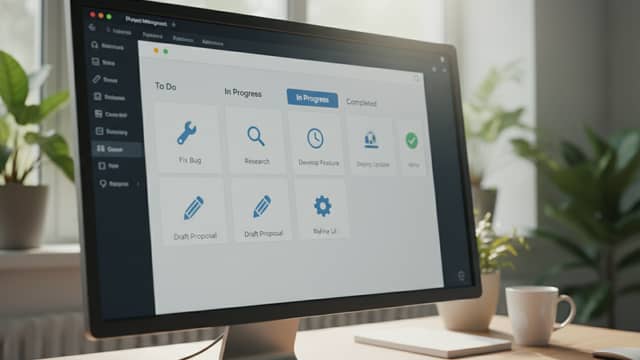
This section gathers articles on how work gets organized and completed — task management, time management, and the workflows that connect them. Topics include prioritizing tasks when demands compete, structuring workflows across teams, and choosing collaboration and workplace assistant software that reduces effort rather than adding to it. Several pieces examine AI task and workflow assistants: what they change in daily work, where they help with process optimization and faster decision-making, and where the claims outrun the results. Others look at enterprise productivity management, automation, and the measurable returns and risks involved. Readers will find practical strategies, comparisons of tool categories, and critical assessments of productivity approaches at both individual and organizational scale.

Frequently Asked Questions

What does an AI task assistant actually do?

An AI task assistant handles work around tasks rather than the task itself: capturing items, sorting them, surfacing what matters next, and keeping workflows moving between people. Its value depends on whether teams adopt it in daily use, which is why several articles focus on assistant software people actually keep using.

How should tasks be prioritized when everything seems urgent?

Intelligent prioritization starts with separating tasks by impact and dependency rather than by who asked most recently. Workflow structure matters as much as ranking, because unclear ownership and handoffs create the chaos that prioritization is meant to solve.

Does enterprise productivity automation deliver measurable returns?

Automation can raise output when it removes repetitive coordination work from a well-defined process. Returns depend on the process being optimized before it is automated, and on honest accounting of setup, adoption, and maintenance costs against the gains.