What does a communication specialist actually do in a team?
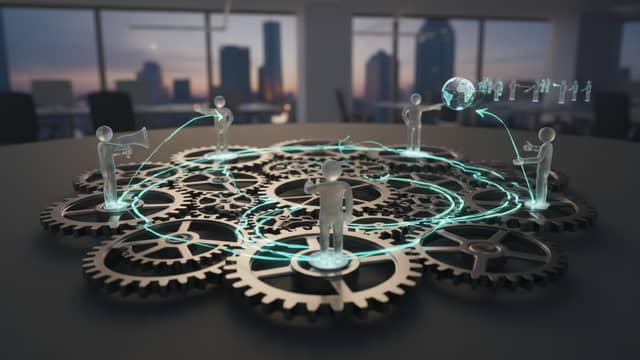
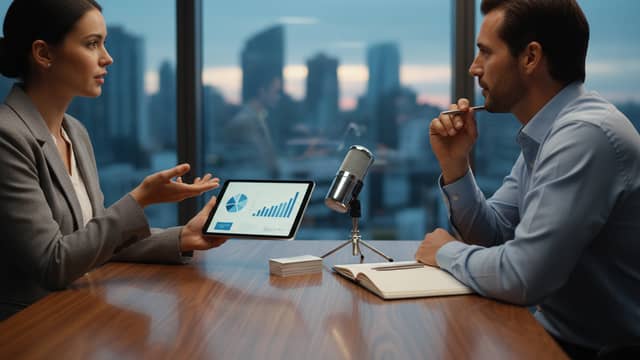
A communication specialist manages how information moves between people, teams and stakeholders, setting the channels, formats and rhythms that keep everyone informed. In practice this covers internal messaging, project updates and reducing the noise that leads to information overload. The role often overlaps with project and people management, since most team failures show up first as communication failures.
How can AI help with project management?
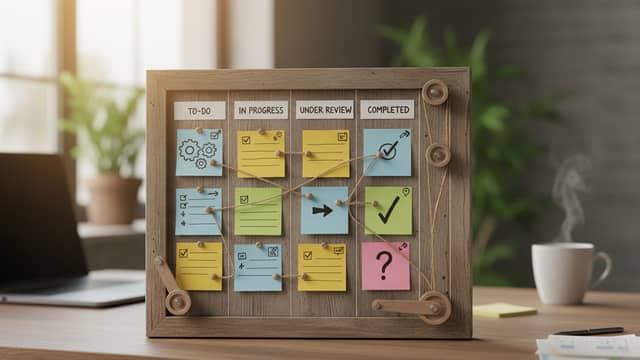
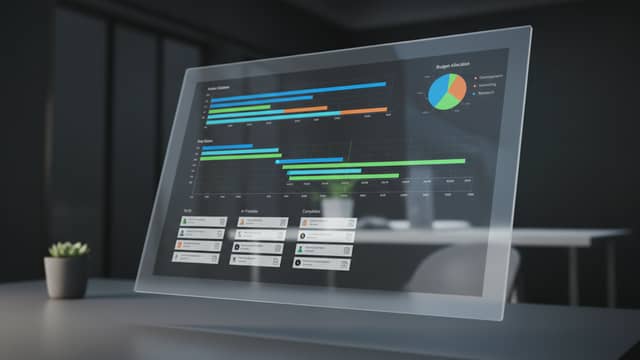
AI project assistants can take on routine coordination work such as tracking status, surfacing risks and summarising updates, which reduces the reporting burden on the team. AI project monitoring can flag slipping tasks or unclear ownership earlier than manual check-ins. It does not replace decisions about priorities, scope or people, which remain with managers.
Why do teams become dysfunctional even with good tools?
Tools organise information but do not settle questions of ownership, priorities or how disagreement is handled, so unresolved conflict and unclear roles persist behind a tidy board. Poor communication habits and information overload then make the underlying problems harder to see. Fixing dysfunctional teams usually means changing working agreements and culture before changing software.