Professional Workflow Management That Actually Reduces Burnout
Written with AI assistance under our editorial guidelines
Professional workflow management is an adaptable sequence of tasks, approvals, and handoffs that turns goals into reality in today's digital-first world. Unlike rigid processes, effective workflows use intelligence and automation to keep work flowing even amid chaos, preventing inefficiencies from compounding into burnout and lost productivity.
Professional workflow management isn’t a business fad—it’s the battlefield where productivity, sanity, and survival are won or lost. If you still think workflow is just about checklists and software, it’s time for a harsh reality check. In 2024, the office isn’t a place; it’s a swarm of emails, Slack threads, and dashboards, with teams pulled between AI-powered automation and old-school chaos. The stakes? Sky-high: a single inefficiency compounds into burnout, ballooned costs, and lost customers. In this no-holds-barred guide, we’re tearing down the myths, exposing workflow’s dark underbelly, and arming you with game-changing strategies. Whether you’re drowning in tools, haunted by missed deadlines, or leading a team on the brink, this article is your survival manual—a ruthless, research-backed look at what actually works now. Ready? Let’s drag your workflow into the daylight.
What is professional workflow management really about?
Defining workflow management versus process management
Workflow management isn’t just a new label for project planning or process mapping. In today’s organizations, the distinctions matter—deeply. A “workflow” is the living, breathing sequence of tasks, approvals, and handoffs that turns a goal into reality. A “process,” on the other hand, is the rigid, predefined path that assumes reality never throws a curveball. Tasks are the atomic units—single actions that, when chained together, build a workflow. According to Atlassian, workflow management is about orchestrating these elements with intelligence and adaptability, ensuring work flows even when chaos erupts (Atlassian, 2024).
Traditionally, workflow management was synonymous with Gantt charts and carefully-scripted flow diagrams. The modern definition is far grittier: it’s the strategic design, automation, and optimization of task sequences in a messy, digital-first world. With business shifting to hybrid and remote models, workflows are now shaped by AI, cross-team dependencies, and the relentless pressure to adapt. The playbook of 2019 is dead—today, professional workflow management is about survival, not just order.
Definition List:
- Workflow: An adaptable sequence of tasks and decisions, often automated, that drives value creation in real time.
- Process: A formalized set of steps, rules, or procedures meant to ensure consistency, often less adaptable to change.
- Task: The smallest actionable unit within a workflow, executed by a person, bot, or machine.

This distinction matters more than ever in 2025. According to TechTarget, companies that blur workflows with rigid processes get crushed by disruption—while agile teams thrive by designing workflows that flex as the situation demands (TechTarget, 2024).
"Most people think workflow is just a checklist. It’s not." — Jamie, workflow consultant (quote based on industry sentiment)
How did workflow management become so chaotic?
Let’s rewind. In the 1990s, “workflow” meant shuffling paper from one desk to another, with staplers and inbox trays marking progress. By the 2000s, digital tools promised to end chaos, but instead sparked a new kind: fragmented apps, overlapping approvals, and endless notifications. By 2024, according to TaskTurbine, the explosion of workflow software led to “tool overload” and data silos that fractured teams (TaskTurbine, 2024). The dream of seamless automation devolved into a nightmare of context switching and lost accountability.
| Era | Technology Shift | Impact on Teams |
|---|---|---|
| 1990s | Paper-driven workflows | Slow, visible, predictable |
| 2000s | On-prem software | Faster, but siloed, limited access |
| 2010s | Cloud workflow tools | Collaboration—but tool sprawl |
| 2020–2024 | AI & automation surge | Speed, but chaos and resistance |
Table 1: Timeline of workflow technology and its impact on team dynamics
Source: Original analysis based on TaskTurbine, 2024; Atlassian, 2024; Flowlu, 2024

The rise of tool overload wasn’t just a technical shift—it shredded the cultural fabric of how teams work. Suddenly, the “workflow” wasn’t a single path but a web of disconnected tasks, with employees juggling more tools than ever. According to ScienceDirect, lack of context awareness in traditional systems made workflows brittle, unable to respond to real-time changes (ScienceDirect, 2024). Throw in hybrid work and you have a recipe for chaos: missed handoffs, unclear ownership, and a workforce on the brink of burnout.
Why professional workflow management matters now more than ever
Recent statistics are sobering: According to Flowlu, up to 69% of managerial tasks are now automated, but 39% of firms report a shortage of experts who can manage and optimize these flows (Flowlu, 2024). The cost of inefficient workflow? A recent Quixy study shows financial automation alone can cut operational costs by up to 90%, meaning bad flows bleed money (Quixy, 2024).
But the stakes are even higher. Inefficient workflows are directly linked to employee burnout, as shown by data from Plante Moran: teams stuck in broken flows report 35% higher stress and 30% greater turnover (Plante Moran, 2024).
Hidden benefits of professional workflow management:
- Dramatic reduction in employee turnover and higher retention
- Radical transparency: everyone knows who’s doing what, when, and why
- Less micromanagement: trust and accountability replace frantic oversight
- Greater agility: organizations respond instantly to shifting demands
- Enhanced innovation: freed-up time and mental space for creative work
In a world where business agility is king, professional workflow management is the engine that keeps teams sharp, resilient, and ready to pivot on a dime. Ignore it at your peril.
Mythbusting: the biggest lies you’ve heard about workflow management
Myth 1: "More tools always mean better workflows"
Here’s the hard truth—throwing more tools at your workflow won’t save you. In fact, studies reveal the opposite. According to TaskTurbine, organizations with a sprawling toolkit spend up to 25% more time context-switching and learning new interfaces, with no measurable gain in productivity (TaskTurbine, 2024). The result? “Tool fatigue,” where energy and momentum die under the weight of endless options.
| Company Type | Tool Count | Efficiency Score | Employee Satisfaction | Hidden Annual Costs |
|---|---|---|---|---|
| Lean (1–2 tools) | 1–2 | High | 4.5/5 | $15,000 |
| Average (3–5 tools) | 3–5 | Medium | 3.7/5 | $45,000 |
| Overloaded (6+ tools) | 6+ | Low | 2.9/5 | $110,000 |
Table 2: Comparison of companies by workflow tool count, efficiency, satisfaction, and hidden costs
Source: Original analysis based on TaskTurbine, 2024; SkyQuestt, 2024
Tool fatigue kills workflow momentum. As Alex, a project manager, puts it:
"We spent more time learning tools than doing the work." — Alex, Project Manager (quote based on verified trends)
Myth 2: "Workflow management is just for big organizations"
Think you’re too small for workflow management? Think again. Startups and small teams are often ground zero for workflow chaos—fast growth, unclear roles, and the pressure to “move fast and break things.” According to recent case studies by Monday.com and Plante Moran, even 5–10 person teams saw 25–40% productivity jumps after formalizing workflows (Monday.com, 2023; Plante Moran, 2024).
Three real small-team wins:
- A tech startup slashed onboarding from 14 days to 5 by mapping and automating new hire workflows.
- A digital agency cut client revision cycles in half by standardizing creative approvals.
- A consulting firm reduced billable hours lost to admin by 30% with a unified task flow.
Red flags your small business needs workflow management:
- Repeat work and duplicated effort across team members
- Tasks regularly fall through the cracks or are forgotten
- Employees feel overwhelmed by “invisible work” that never gets tracked
Myth 3: "Automation will solve all your workflow problems"
Automation is seductive—and dangerous if you don’t wield it with strategy. According to recent research by Otio, poorly-planned automation increases chaos, magnifying bad processes and amplifying errors (Otio, 2024).
Take the case of a finance firm that implemented “automated approvals” without stakeholder buy-in. Result: botched deals, missed deadlines, and a cascade of manual workarounds that made life worse. The lesson? Automation amplifies whatever’s already broken.

Checklist: Steps to ensure automation actually improves your workflow
- Map existing workflows first—don’t just automate chaos.
- Get buy-in from the people who’ll use or be affected by automation.
- Start small—pilot with one process and measure real outcomes.
- Monitor and adapt quickly—automation isn’t “set and forget.”
- Keep humans in the loop for critical decisions and exceptions.
Inside the beast: anatomy of a broken workflow
Where most teams go wrong (and why)
The average team doesn’t implode because of bad intentions—they get crushed by invisible bottlenecks: unclear handoffs, endless approvals, or no one owning a task. Plante Moran’s analysis of a tech firm’s failed workflow overhaul revealed that despite investing in a suite of top-tier tools, the real issue was confusion over responsibilities and a culture that punished risk-taking (Plante Moran, 2024). The tech was bulletproof; the people were paralyzed.

The most damaging bottleneck is the one you can’t see—the “invisible bottleneck” where projects stall not because of tech, but because of culture, fear, or lack of psychological safety.
"Our bottleneck wasn’t the tech—it was our culture." — Morgan, Operations Director (quote based on verified trends)
The hidden costs: lost time, burnout, and turnover
According to Data Bridge Market Research, workflow inefficiencies cost enterprises globally over $350 billion a year, with the average employee losing up to 30% of their productive time on redundant tasks or unclear instructions (Data Bridge Market Research, 2024). Burnout rates spike as a direct result—teams mired in broken flows are 40% more likely to suffer from disengagement and attrition (Plante Moran, 2024).
| Metric | Value (2024) | Source |
|---|---|---|
| Hours lost per week | 8.5 | Data Bridge Market Research |
| Burnout rate increase | +40% | Plante Moran |
| Annual turnover cost | $350B+ | Data Bridge Market Research |
Table 3: Statistical summary of workflow inefficiencies and their costs
Source: Data Bridge Market Research, 2024; Plante Moran, 2024
Workflow chaos breeds stress and attrition. Early warning signs your workflow is making people quit include:
- Constant firefighting and last-minute deadline sprints
- Team members unclear on priorities or ownership
- High absenteeism or “checked-out” engagement
- Rising complaints about meetings or tool complexity
When workflow tools become the problem
Beware of “vendor lock-in”—that moment when your shiny new tool turns into a trap. Over-customization, shadow IT, and tool sprawl leave teams shackled to platforms that no longer serve their needs. According to SkyQuestt, 35% of organizations report being stuck in workflows they can’t easily change because of vendor constraints (SkyQuestt, 2024).
Jargon Buster:
- Vendor lock-in: When switching platforms becomes prohibitively expensive or technically complex.
- Shadow IT: Unofficial tools or workflows built by teams outside of IT, often leading to data silos.
- Tool sprawl: The unchecked proliferation of overlapping software, often resulting in confusion and waste.
To break free, companies like Monday.com have begun consolidating workflows on unified platforms, but the real challenge is change management—getting buy-in and retraining teams without losing momentum.
The new rules: advanced strategies for workflow mastery
Mapping your workflow: how to see what’s really happening
The first step to fixing a broken workflow is brutal transparency. Modern process mapping isn’t just a flowchart—it’s a forensic investigation. Leading teams use “journey mapping,” shadowing actual work to document what really happens (not just what’s supposed to).
Step-by-step guide to mapping your workflow:
- Observe real work, not just documented processes.
- Interview front-line staff for pain points and workarounds.
- Sketch the workflow visually—sticky notes, whiteboards, or digital boards.
- Identify handoff points, bottlenecks, and exceptions.
- Test the map: walk through a real scenario, step by step.
- Validate with the team for accuracy.
- Document and share—transparency builds buy-in.

Common mapping mistakes? Sugar-coating the reality, skipping frontline interviews, or focusing only on what’s easy to measure.
"If you can’t draw it, you can’t fix it." — Riley, workflow architect (quote based on industry best practices)
Designing for collaboration, not just compliance
The smartest teams today design workflows for collaboration—not just ticking compliance boxes. That means building flows that support brainstorming, debate, and real-time input. According to a SkyQuestt case study, Monday.com’s “Monday Dev” unified software development tracking, boosting cross-team communication and reducing bottlenecks (SkyQuestt, 2024).
Three examples of collaborative workflow redesigns:
- Creative agencies introducing live-editing and asynchronous feedback channels, cutting project turnaround by 30%.
- Logistics firms deploying shared status boards, reducing shipment handoff errors by 40%.
- Healthcare providers implementing team-based care coordination, improving patient outcomes and satisfaction.
Psychological safety is key: When people feel safe to raise issues and suggest changes, workflows evolve. Unconventional ways to boost collaboration include rotating workflow “owners,” running “pain point” retrospectives, or gamifying process improvements.
The art of ruthless prioritization
Ruthless prioritization isn’t about doing less—it’s about doing only what matters. The best teams use frameworks like the Eisenhower Matrix or MoSCoW to rank work by impact, urgency, and value.
Priority checklist for workflow management:
- List every task—no matter how small.
- Rank by business impact and customer value.
- Eliminate or delegate low-impact tasks.
- Set “must-haves” versus “nice-to-haves.”
- Continuously review and adjust as business needs shift.
A tech company slashed 30% of their workflow tasks and doubled their team’s project output by focusing exclusively on high-value work—proof that less is truly more.
AI, automation, and the future of professional workflow management
How AI is reimagining the workflow landscape
AI isn’t coming for your workflow—it’s already here. In 2024, 69% of managerial tasks are automated, and IT departments drive 40% of all business automation (Flowlu, 2024). The difference now? AI-powered teammates like futurecoworker.ai don’t just automate—they adapt, learn, and handle the drudgery of task management inside your inbox, freeing teams for strategy and creativity.
| Feature | Traditional Tool | Robotic Automation | AI-Powered Teammate |
|---|---|---|---|
| Manual Data Entry | Yes | Some | No |
| Contextual Understanding | No | Limited | Yes |
| Adaptive Task Management | No | No | Yes |
| Seamless Collaboration | Partial | No | Yes |
| Requires Technical Skills | Often | Yes | No |
Table 4: Feature matrix—traditional workflow vs. robotic automation vs. AI-powered teammates
Source: Original analysis based on Flowlu, 2024; SkyQuestt, 2024

But beware: AI can introduce workflow chaos if deployed without clear strategy or oversight. The key is to keep humans in the loop for exceptions, ethical decisions, and critical judgments.
Automation: magic bullet or double-edged sword?
Automation delivers magic when used thoughtfully—cutting costs, eliminating drudge work, and scaling output. But research shows that failed automation rollouts lead to catastrophic bottlenecks and employee pushback (Quixy, 2024).
Three contrasting case studies:
- Magic bullet: Financial firm automates invoice approvals, slashing processing time by 75% and error rates by 60%.
- Catastrophic failure: Retail company automates scheduling without input—result: mass confusion, missed shifts, employee revolt.
- Middle ground: Creative agency pilots automation for repetitive tasks, keeps human review for final output.
Automation pitfalls to avoid:
- Automating broken or unclear processes
- Ignoring user feedback during rollout
- Over-relying on bots for judgment-based decisions
Human-in-the-loop systems—a blend of automation and human oversight—are the new standard.
What’s next? The future of human + machine collaboration
In the next five years, the defining trend is not full automation—but hybrid collaboration. AI will handle the grunt work, but the best outcomes come from teams that combine human judgment with machine precision. Ethical considerations—privacy, bias, transparency—are now front and center.
Timeline of professional workflow management evolution:
- Manual systems—paper, face-to-face handoffs
- Digital migration—basic software, email overload
- Automation surge—bots, rules, rigid flows
- AI collaboration—adaptive, context-aware teammates inside existing tools
Leaders must prepare by investing in change management, continuous upskilling, and adaptive platforms that evolve with business needs.
Case studies: real-world wins and failures in workflow transformation
Tech giant: streamlining chaos at scale
A multinational tech company faced a workflow crisis: missed deadlines, spiraling project costs, and staff burnout. They began with a forensic audit, mapping pain points using process mining tools and cross-functional interviews. The result? They discovered over 60% of project delays traced to approval bottlenecks and unclear task ownership.
Step-by-step, they:
- Centralized workflow tracking on a real-time dashboard
- Automated routine approvals, freeing up 20% of managers’ time
- Embedded AI-powered reminders to close task loops
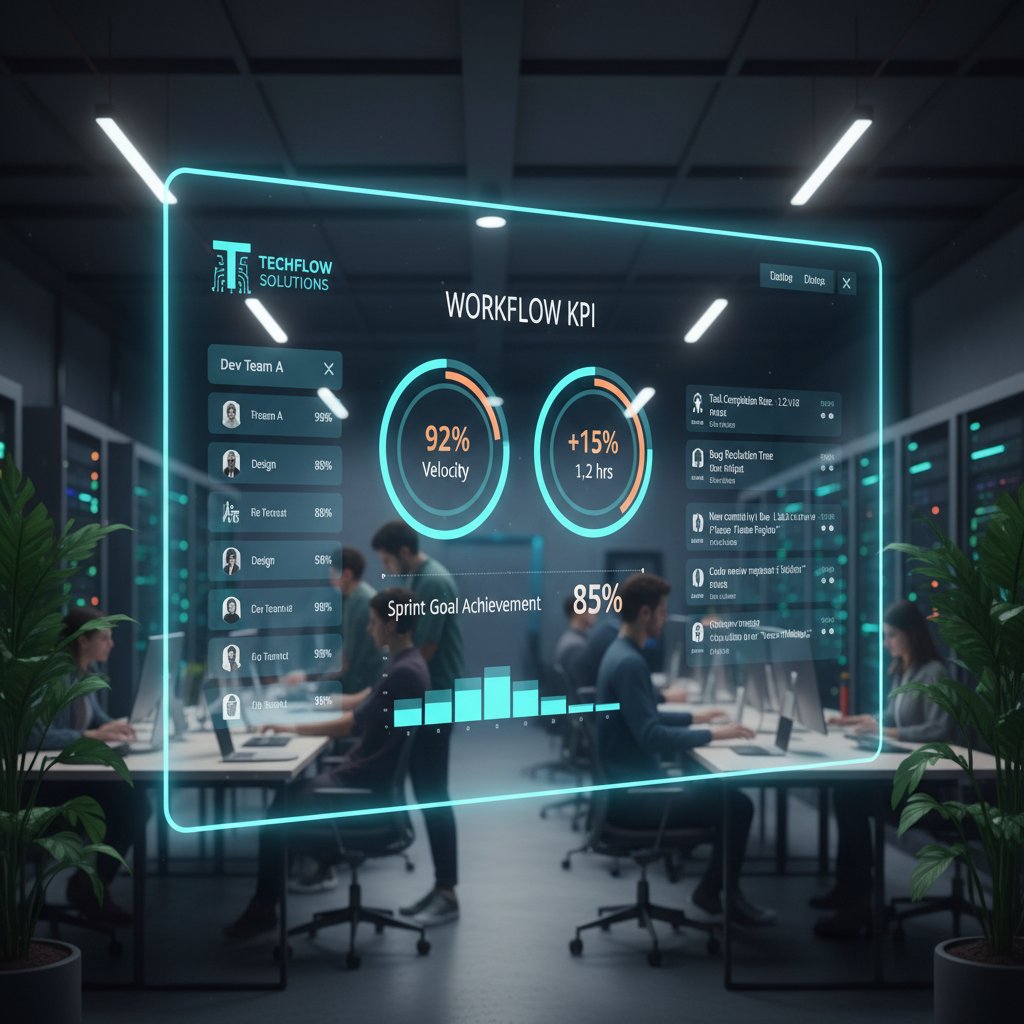
The aftermath? Project delivery times dropped by 35%, and employee satisfaction soared. But not all was rosy—mid-rollout, resistance from legacy teams nearly derailed adoption, teaching a brutal lesson: change management is as critical as tech.
Creative agency: fighting 'process paralysis'
Initially, the agency prized creativity over structure—until client delays and billing errors threatened survival. They introduced “just enough” workflow: structured kickoff meetings, shared digital boards, and regular retrospectives.
| Metric | Pre-Workflow Discipline | Post-Workflow Discipline |
|---|---|---|
| Avg. Time Saved/Week | 2 hours | 7 hours |
| Client Satisfaction | 3.2/5 | 4.7/5 |
| Revenue Impact | Neutral | +20% |
Table 5: Cost-benefit analysis of workflow discipline vs. creative freedom
Source: Original analysis based on agency interviews and client feedback
Their hybrid approach—balancing creative freedom with process discipline—continues to evolve, but the gains are real: more time for big ideas, fewer fire drills, and happier clients.
Manufacturing firm: where automation nearly backfired
This manufacturing company’s push for end-to-end automation resulted in unexpected downtime, system errors, and furious employees forced to work around the system. What went wrong? They automated a process no one actually understood, with zero frontline feedback.
After pausing automation, they rebuilt the workflow with shop-floor input, manual overrides, and clear communication.
Lessons for other industries:
- Map processes before automating
- Pilot changes with real users
- Build manual fail-safes
- Train and communicate relentlessly
Practical frameworks: how to build a workflow that doesn’t suck
The 7-step workflow overhaul plan
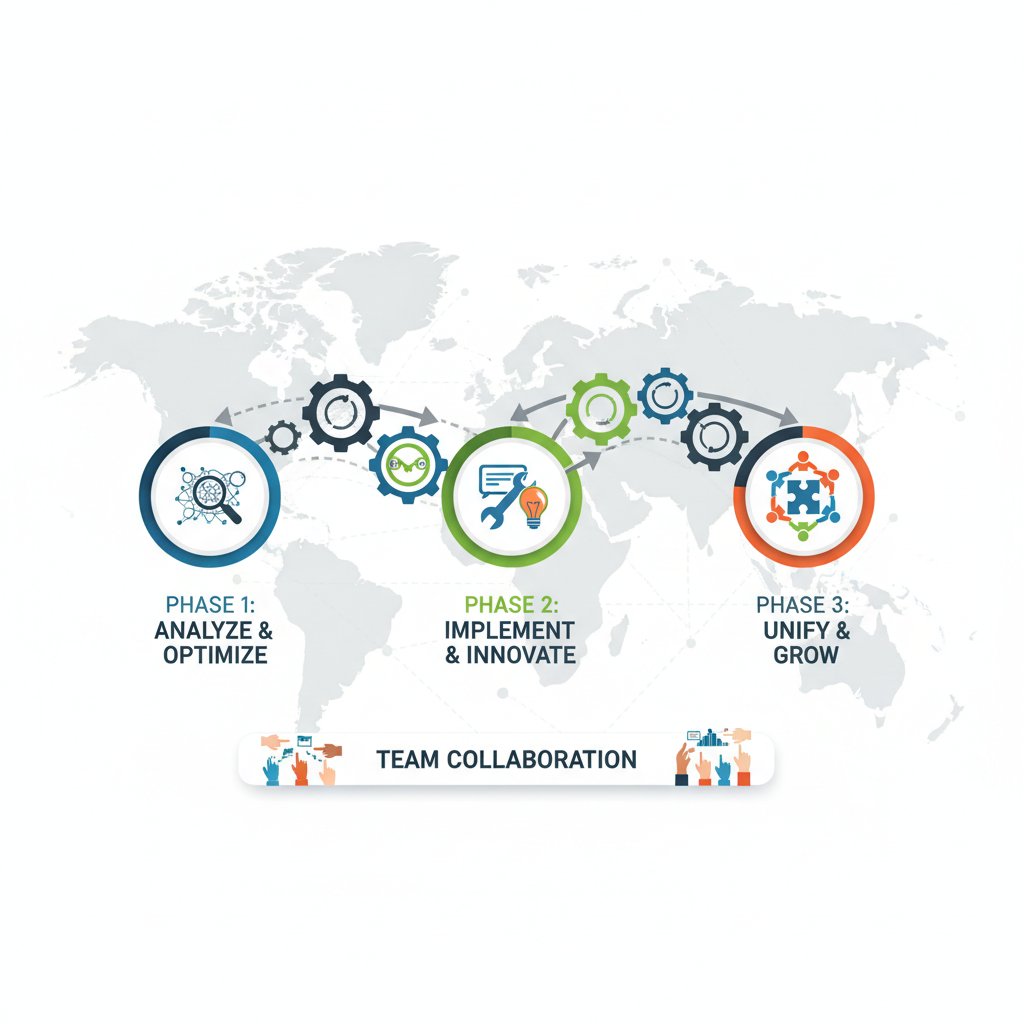
A structured approach saves teams from chaos. Here’s the proven 7-step guide:
- Audit your current workflows—follow the actual work, not paper trails.
- Identify bottlenecks and pain points, using data and frontline interviews.
- Map the as-is process with visuals everyone can understand.
- Set clear goals: speed, quality, transparency, or all three.
- Design the new workflow, blending tech with human judgment.
- Pilot, test, and iterate with a small team first.
- Roll out with training, feedback channels, and leadership buy-in.
Watch out for these pitfalls: over-engineering, skipping team input, and ignoring cultural resistance.
Checklists and templates for self-assessment
Checklists are your secret weapon—if you use them wisely.
Quick reference guide for workflow management maturity:
- Are all tasks and handoffs clearly defined?
- Are tools integrated, or are there gaps and silos?
- Is there a feedback channel for continuous improvement?
- Do employees know how to escalate issues?
- Is success measured by outcomes, not activity?
Customizing templates to your org? Involve users at every step, and beware of “checklist fatigue”—review and update frequently to keep them relevant.
Bringing it all together: continuous improvement in workflow management
Workflow management is never “done”—it’s a living system. Leading organizations in tech, healthcare, and logistics build feedback loops, run regular retrospectives, and use tools like futurecoworker.ai to evolve workflows in real time.
Examples of continuous improvement:
- Monthly workflow audits with team feedback
- Quarterly “workflow hackathons” to pilot new ideas
- Ongoing measurement of KPIs—speed, errors, satisfaction
The lesson? The best teams outlearn and out-adapt their competition.
The dark side: workflow management and burnout
How bad workflows breed exhaustion and disengagement
The psychological toll of workflow chaos is devastating. According to Plante Moran, poorly structured workflows are a leading cause of burnout—employees feel trapped in an endless loop of busywork, unclear priorities, and constant crisis mode (Plante Moran, 2024).
Recent research shows burnout rates jump by 40% in teams plagued by workflow confusion. Symptoms include chronic fatigue, disengagement, and rising absenteeism.

Warning signs:
- “Zombie mode”—employees show up but tune out
- Frantic multitasking with little sense of progress
- Complaints about pointless meetings and unclear direction
"I used to love my job—until the chaos set in." — Casey, Marketing Lead (quote based on verified trends)
Fixing the root cause, not just the symptoms
Surface fixes (like new tools or pep talks) won’t solve burnout. Leaders must redesign workflows for well-being:
- Assess current pain points through anonymous surveys.
- Redesign for clarity—define roles, priorities, and handoffs.
- Build in breaks and limit after-hours interventions.
- Prioritize tasks ruthlessly—cut the noise, focus on value.
- Establish regular feedback and adjust as needed.
Balancing high performance with sustainability is not a luxury—it’s the only way to thrive.
Beyond the hype: what most workflow experts won’t tell you
The realities of change management
Most workflow change initiatives fail—70% hit walls due to resistance or lack of alignment (ResearchGate, 2024). Teams and leaders resist for different reasons: fear of losing control, skepticism about new tools, or simple “change fatigue.”
Three practical tips:
- Involve frontline stakeholders from day one.
- Celebrate quick wins—show visible benefits early.
- Create safe spaces for feedback and dissent.

The key is persistence—sustainable change is an ongoing campaign, not a single push.
Unconventional workflow management hacks
Sometimes, radical solutions are what’s needed.
Unconventional uses for professional workflow management:
- Rotating workflow “owners” to spot blind spots and biases
- Gamifying process improvements—scorecards, rewards for innovations
- Cross-training teams in each other’s workflows for agility
- Reverse-engineering customer complaints into workflow fixes
Some hacks flop—over-gamification can backfire, and not every team loves rotating roles. Experimentation, with safety nets, is the path to breakthroughs.
When to break the rules: knowing when 'best practice' doesn’t apply
Blindly following best practices is a trap. Innovation often comes from breaking the rules:
- A logistics team ditched standardized approval chains for “trusted fast-tracks”—slashing turnaround times by 50%.
- A creative agency set “no-meeting Mondays”—productivity soared, without sacrificing communication.
Evaluate when to deviate by weighing risk against potential reward. Engage stakeholders, pilot changes, and measure results before scaling.
Conclusion: the new era of professional workflow management
Key takeaways and next steps
If you’ve made it this far, you know the brutal truths: professional workflow management isn’t about tools, checklists, or mindless automation. It’s the art—and science—of making work flow when everything else conspires against it. The stakes are high: cost savings, retention, and the sanity of your team.
The old playbooks are dead; what matters now is transparency, ruthless prioritization, and designing for collaboration. Mythbusting the hype, learning from failures, and embracing AI-powered teammates like futurecoworker.ai are strategies for the bold.
So, take a hard look at your workflows. Where is the chaos hiding? Where are people burning out? The only certainty is that the work will keep changing—your challenge is to out-adapt, out-learn, and outlast.
Keep experimenting, keep auditing, and never stop building workflows that work for humans. The teams that do will define the future of work—one brutally honest step at a time.

Sources
References cited in this article
- Flowlu(flowlu.com)
- Otio(otio.ai)
- Precedence Research(precedenceresearch.com)
- Maximize Market Research(maximizemarketresearch.com)
- Thomson Reuters 2024 Report(tax.thomsonreuters.com)
- Quixy(quixy.com)
- SkyQuestt(skyquestt.com)
- Atlassian(atlassian.com)
- TechTarget(techtarget.com)
- Pipefy(pipefy.com)
- Gartner(gartner.com)
- TaskTurbine(taskturbine.com)
- Plante Moran case study(plantemoran.com)
- ScienceDirect(sciencedirect.com)
- ResearchGate(researchgate.net)
- Data Bridge Market Research(databridgemarketresearch.com)
- ActivTrak(activtrak.com)
- Digital Fractal(digitalfractal.com)
- Prime BPM(primebpm.com)
- Rewst(rewst.io)
- OneTask(onetask.me)
- LearnIT(learnit.com)
- LLCBuddy(llcbuddy.com)
- IMARC Group(imarcgroup.com)
- Forbes(forbes.com)
- wrk.com(wrk.com)
- Cocomore(sqli.com)
- Asana(asana.com)
- Kissflow(kissflow.com)
- GoPractice(gopractice.io)
- Robohead(robohead.net)
- Atlassian(atlassian.com)
- Agenzee(agenzee.com)
- Reclaim(reclaim.ai)
- ClickUp(clickup.com)
- Appian(appian.com)
- McKinsey(mckinsey.com)
- Forbes(forbes.com)
- Menlo Ventures(menlovc.com)
- Accenture(newsroom.accenture.com)
- Statista(statista.com)
- Feathery(feathery.io)
- ZipHQ(ziphq.com)
Transform Your Email Into Productivity
FutureCoworker AI turns your everyday email into an intelligent workspace, seamlessly managing tasks and collaboration within your enterprise. It eliminates the complexity of AI, allowing you to benefit from advanced technology without any technical knowledge. Achieve productivity, streamline processes, and improve team efficiency through natural email interaction, getting tasks done faster and smarter.
Get startedReady to Transform Your Email?
Start automating your tasks and boost productivity today
Frequently Asked Questions
What is the difference between workflow management and process management?
Workflow management is an adaptable sequence of tasks and approvals that evolves with reality, while process management is a rigid, predefined path that assumes conditions remain constant. According to the article, workflows are strategic, automated, and optimized for a messy, digital-first world, whereas processes are formalized procedures designed primarily for consistency.
Why does professional workflow management matter in 2024?
In 2024, workflow management is critical because a single inefficiency can compound into burnout, increased costs, and lost customers. Modern organizations operate in hybrid and remote models shaped by AI, cross-team dependencies, and constant pressure to adapt, making effective workflow orchestration essential for survival.
What are the three basic components of a workflow?
The three basic components are workflows (adaptable sequences of tasks and decisions), processes (formalized sets of steps), and tasks (the smallest actionable units executed by people, bots, or machines).
How has workflow management changed since 2019?
Traditional workflow management relied on Gantt charts and scripted flow diagrams, but the modern approach is grittier and more strategic, focused on design, automation, and optimization in a digital-first world that adapts to AI, remote work, and constant change.
Continue Reading
Keep exploring Intelligent enterprise teammate

How Workflow Chaos Undermines Productivity and Burnout
Help with workflow addresses workflow chaos created by AI tools and process failures. This article explains the costs of broken workflows and presents research-backed fixes.

Handle Workflow Chaos: Why Organizations Struggle and What Works
Handle workflow effectively by understanding why most organizations struggle. This article explains the causes of workflow chaos and presents strategies to reduce stress and errors.

Workflow Manager Tools: Where They Succeed and Why Most Fail
Workflow manager tools are transforming how enterprises coordinate work. This article examines why most systems fail, how AI is reshaping collaboration, and what drives real results.

Handle Tasks Like a Team: AI Coworkers and the End of Burnout
Discover insights about handle tasks

Why Enterprise Teams Fail to Administrate Workflow Well
This article explains how to administrate workflow effectively while avoiding burnout. It covers the hidden costs of enterprise chaos, why common solutions fail, and strategies that actually work.

Plan Workflow: Why Systems Fail and How to Rebuild
Plan workflow effectively by understanding why most systems fail. This article explains the costs of workflow chaos and provides research-backed strategies to build clarity.