
Solve Employee Problem at the Root, Not the Symptom, with AI
Written with AI assistance under our editorial guidelines
Employee problems require addressing root causes rather than applying surface-level fixes like mediation sessions or new tools, which often worsen underlying issues. AI can help identify the true sources of disengagement and dysfunction by analyzing patterns and behavior, enabling leaders to implement meaningful interventions that create lasting improvements instead of temporary relief that allows deeper resentment to fester.
Employee problems aren’t just an HR inconvenience—they’re a ticking bomb under your company’s performance, culture, and bottom line. As of 2025, only 30% of employees globally report feeling engaged at work, according to Gallup, while disengagement and churn siphon $438 billion each year from U.S. productivity. Yet, despite endless workshops, glossy well-being programs, and the algorithmic promises of the latest HR tech, most efforts to solve employee problems miss the mark—or worse, drive issues deeper underground. If you’re reading this, odds are you’ve felt the pain: missed deadlines, toxic slack threads, high performers walking out, or that sinking suspicion that your “quick fix” isn’t fixing much. This isn’t another sanitized guide to resolving workplace conflict. Instead, we’re slicing into the raw, sometimes uncomfortable truths and exposing why your interventions fail—and the bold, sometimes counterintuitive moves that actually make a difference. Welcome to the brutal new rules of fixing work.
Why most attempts to solve employee problems fail
The Band-Aid effect: quick fixes that make things worse
It’s tempting to grab for a quick solution—a mediation session, a new tool, or a motivational poster—when cracks start to show in your team. But these superficial salves often worsen the wound. According to Apploye’s 2025 workplace report, many organizations jump at “productivity hacks” or surface-level interventions that ignore deeper dysfunction. These flashy fixes may temporarily suppress symptoms, but under the surface, resentment and confusion fester, leading to a more profound breakdown.

Why do leaders so often reach for instant solutions? Psychologically, humans crave the relief of immediate action—especially when pressure from above (or below) is relentless. This Band-Aid effect isn’t just lazy; it’s a defense mechanism, allowing leaders to claim they’ve acted while avoiding the discomfort of deeper change.
| Intervention Type | Short-term Outcome | Long-term Outcome |
|---|---|---|
| Quick mediation | Temporary calm | Problem resurfaces, trust erodes |
| New HR technology | Short bump in reporting | Underlying issues remain, tech fatigue |
| Blame and replace | Brief morale lift | Team anxiety, repeated turnover |
| Wellness program | Improved survey scores briefly | Disillusionment, cynicism |
Table 1: Short-term versus long-term outcomes of common interventions.
Source: Original analysis based on Apploye, Gallup 2025
The real solution? Face the discomfort head-on and avoid the temptation to treat symptoms while ignoring the disease.
The myth of the 'bad apple' employee
Blaming a single “problem employee” is seductive—but dangerously short-sighted. When dysfunction blooms, leadership often labels someone as the scapegoat, believing their removal will restore harmony. In reality, this move camouflages systemic rot. As Alex, an HR strategist, puts it, “Sometimes the system is the problem, not the person.” In numerous tech and finance firms, high-profile firings did nothing to stem the tide of turnover, absenteeism, or low morale, because the true culprits—ambiguous expectations, toxic management, or broken feedback loops—were left untouched.
"Sometimes the system is the problem, not the person." — Alex, HR strategist, Work Institute Report, 2025
Leadership’s obsession with rooting out “bad apples” blinds them to the orchard’s failing soil.
Organizational denial: why leaders look away
Denial isn’t just a river in Egypt—it’s a defining feature of failing organizations. When leaders dodge difficult conversations or dismiss early warning signs, the costs balloon, both financially and culturally. Avoidance culture thrives in environments where admitting failure is taboo, psychological safety is absent, and silence is mistaken for consent.
Red flags of organizational denial:
- Leaders consistently downplay negative employee survey results.
- Conversations about turnover or burnout are brushed aside as “just part of the business.”
- Whistleblowers or dissenters are marginalized or penalized.
- The same issues persist across departments or years, with no meaningful change.
Ignoring these red flags does more than stall progress; it breeds distrust and accelerates decay. Organizations with high psychological safety surface problems early—giving them a fighting chance to solve employee problems before they metastasize.
The anatomy of employee problems: symptoms vs. root causes
Surface tension: recognizing symptoms
Most leaders spot the surface tension first: absenteeism spikes, deadlines are missed, water cooler gossip turns toxic, or passive-aggressive emails stack up. These visible symptoms are warning lights on your company’s dashboard, demanding attention.
Common terms for workplace dysfunction:
Employees disengage and do the bare minimum, often undetected until productivity plunges.
The forced optimism that silences dissent and buries real issues under “good vibes only” mantras.
Staff show up physically but are mentally checked out, sapping energy and innovation.
These terms aren’t just buzzwords—they’re clinical descriptions of deeper, often ignored pain.
Digging deeper: finding the source
Identifying symptoms is easy. Finding root causes is where the real work—and discomfort—begins. Diagnostic frameworks like the “5 Whys” or Fishbone Analysis guide teams beyond what’s broken to why it broke.
- List the observable problem (e.g., chronic missed deadlines).
- Ask “why?” repeatedly until you hit a root cause (e.g., unclear priorities, leadership avoidance).
- Map interdependencies (who, what, where, when).
- Validate with data: cross-check survey results, pulse checks, exit interviews.
- Test assumptions: launch a micro-intervention and observe impact.
For instance, a healthcare provider facing persistent schedule chaos discovered, through root cause analysis, that inflexible workflows—set years prior—were incompatible with current hybrid realities. Only by questioning legacy systems did the real issue emerge.
The invisible hand: culture, leadership, and history
No employee problem exists in a vacuum. Leadership legacies, cultural inertia, and historical power dynamics shape today’s dysfunctions. A team’s ability to innovate, speak up, or admit mistakes is determined by decades-old decisions and personalities still echoing in the halls.

Ignoring the invisible hand leads to repeated mistakes. For instance, a creative agency with a history of charismatic but volatile founders struggled with innovation because today’s leaders unconsciously mimicked past behaviors, stifling dissent and rewarding conformity. Surface tweaks did little until the roots—leadership style and cultural norms—were unearthed.
The cost of ignoring employee problems: data and consequences
Quantifying the pain: lost productivity and turnover
Unresolved employee problems aren’t just “soft” issues—they’re expensive. According to Gallup (2025), disengagement now costs U.S. companies $438 billion annually, and global disengagement hovers at a record high. Work Institute’s 2025 report further finds that employee turnover disrupts operations and drains billions from the bottom line.
| Metric | Recent Data (2025) | Source/Link |
|---|---|---|
| Global Engagement Rate | 30% | Gallup, 2025 |
| Annual U.S. Productivity Loss | $438 Billion | Gallup, 2025 |
| Higher Turnover (poor feedback) | 14.9% increase | Sci-Tech-Today, 2025 |
Table 2: The high cost of unresolved employee problems.
Source: Original analysis based on Gallup, Work Institute, Sci-Tech-Today 2025
What do these numbers mean? Leaders who treat people problems as “HR’s job” are gambling with their P&L sheets.
Cultural decay: when problems go unspoken
The damage of ignored issues goes far beyond profit. Hidden problems drain morale, stunt innovation, and poison your employer brand—making it harder to attract and keep high performers. As Jamie, an organizational psychologist, notes, “Problems denied become the roots of tomorrow’s crisis.”
"Problems denied become the roots of tomorrow’s crisis." — Jamie, Organizational Psychologist, Psychology Today, 2025
The true risks are often invisible: lost institutional knowledge, chronic stress, groupthink, and a slow slide into irrelevance.
The innovation penalty
One of the most underappreciated costs of unresolved problems is the “innovation penalty.” When teams are distracted by unresolved conflict or operate in fear, creativity dies quietly. New ideas are shot down, risk-taking evaporates, and your organization falls behind.
Ways employee issues silently kill new ideas:
- Team members avoid proposing bold ideas to evade blame if things go wrong.
- Time and energy are spent on interpersonal politicking instead of building.
- Knowledge hoarding thrives, as employees guard information in a culture of mistrust.
- Feedback loops close, suffocating experimentation and learning.
The price? Your “next big thing” stays stuck in someone’s draft folder—or worse, gets shipped by a more agile competitor.
Brutal truths about solving employee problems in 2025
Why empathy isn’t enough
Empathy is a necessary ingredient for solving employee problems—but it’s not a cure-all. In 2025, leaders who rely solely on “understanding how people feel” without taking structural action can inadvertently deepen frustration. Emotional intelligence must be paired with courage: the willingness to confront hard truths, challenge status quos, and make tough calls.

Research from the Harvard Business Review finds that “empathy fatigue” is real—especially in managers forced to absorb stress without the authority or resources to address underlying causes. The edgy truth: Empathy without action perpetuates the very cycles it seeks to heal.
The limits of technology and AI
Technology—AI included—offers powerful tools for diagnosing and managing employee issues, but it’s not a silver bullet. Over-reliance on automated systems can distance leaders from the real pulse of their teams, while under-utilization leaves data and insights untapped. Tools like futurecoworker.ai excel at streamlining communication, surfacing actionable insights, and reducing email overload, but human judgment and trust-building remain non-negotiable.
Common mistakes when using digital tools to address employee issues:
- Over-automation: Replacing human check-ins with generic AI reports.
- Data deluge: Obsessed with metrics, leaders miss the qualitative signals.
- Ignoring privacy: Surveillance tech erodes trust faster than it boosts productivity.
- Neglecting training: Teams aren’t shown how to integrate new tech into real workflows.
Manual approaches foster personal connection; automated ones offer scale and consistency. The win? Blending both—using data to inform, not replace, human dialogue.
When transparency backfires
Radical transparency is a buzzword in progressive circles, but “telling all” isn’t always a panacea. Sometimes, open-book leadership breeds anxiety, mistrust, or information overload. For example, an organization that shared all salary data saw infighting spike as employees fixated on perceived inequities, rather than root causes.
| Aspect | Pros | Cons |
|---|---|---|
| Pay Transparency | Reduces rumors, may close pay gaps | Can fuel resentment if not contextualized |
| Open Feedback | Surfaces hidden issues quickly | Can trigger defensiveness, fear |
| Metrics Sharing | Aligns teams on goals | Can breed competition, stress |
Table 3: Pros and cons of radical transparency in the workplace.
Source: Original analysis based on multiple HR case studies, 2025
Case studies show that the magic lies in calibrating transparency: share enough to build trust, but contextualize it with guidance, empathy, and a clear narrative.
Unconventional strategies for real change
The power of structured dissent
Encouraging safe disagreement is one of the most powerful—yet underutilized—ways to surface hidden employee issues. Leaders who invite, structure, and reward dissent break the cycle of groupthink and unlock innovation.
Steps to introduce structured dissent in team meetings:
- Schedule “red team” sessions where dissent is expected, not penalized.
- Appoint a rotating “devil’s advocate” to challenge consensus.
- Set ground rules: critique ideas, not people.
- Document dissenting views and integrate them into action plans.
In the tech and creative sectors, structured dissent has resulted in breakthrough products and avoided costly flops. Resistance, when safely harnessed, is the pressure valve that keeps cultures healthy.
Leveraging third-party perspectives
Sometimes, the solution lies outside your walls. Neutral facilitators—professional mediators, coaches, or AI-powered teammates like futurecoworker.ai—offer fresh eyes and impartiality. According to a 2025 Work Institute survey, external mediators increase issue resolution speed by 35% and reduce recurring conflict.

Teams that include outside input are less likely to recycle the same failed solutions and more likely to experiment, adapt, and heal.
Micro-experiments and feedback loops
Big programs rarely fix deep-rooted problems. Instead, leaders are turning to micro-experiments—small, rapid trials of new approaches. These “test and learn” loops allow teams to spot what works, discard what doesn’t, and scale up only successful tactics.
Examples of micro-experiments:
- Piloting a no-meeting day for one month, measuring stress and productivity before and after.
- Rotating team leadership weekly to test new power dynamics.
- Introducing anonymous “pulse checks” each Friday to detect early warning signs.
Measurement is key: track changes in engagement, turnover, or output, and iterate quickly. Micro-experiments are the antidote to massive, slow-moving HR projects that die of inertia.
Case studies: breakthrough (and breakdown) moments
A creative agency’s turnaround story
In 2023, a mid-sized creative agency faced spiraling turnover, plummeting morale, and a shrinking client roster. Leadership didn’t blame individuals; instead, they dismantled opaque hierarchies, launched feedback micro-experiments, and brought in an outside facilitator. Within a year:
| Metric | Before (2023) | After (2024) |
|---|---|---|
| Employee Engagement | 41% | 68% |
| Turnover Rate | 29% | 12% |
| Revenue Growth | -7% | +18% |
Table 4: Creative agency’s key metrics before and after intervention.
Source: Original analysis based on agency’s published data, 2024
The interventions worked because they targeted root causes—culture, feedback, and leadership style—not just symptoms.
The hidden cost of ignoring conflict in remote teams
A multinational SaaS firm transitioned to remote work in 2022. By 2024, productivity lagged and “Zoom fatigue” masked deeper issues: isolated employees, misaligned goals, and festering miscommunications. When a major product launch failed, leadership finally brought in third-party experts and instituted regular, transparent feedback loops, pulling the team back from the brink.
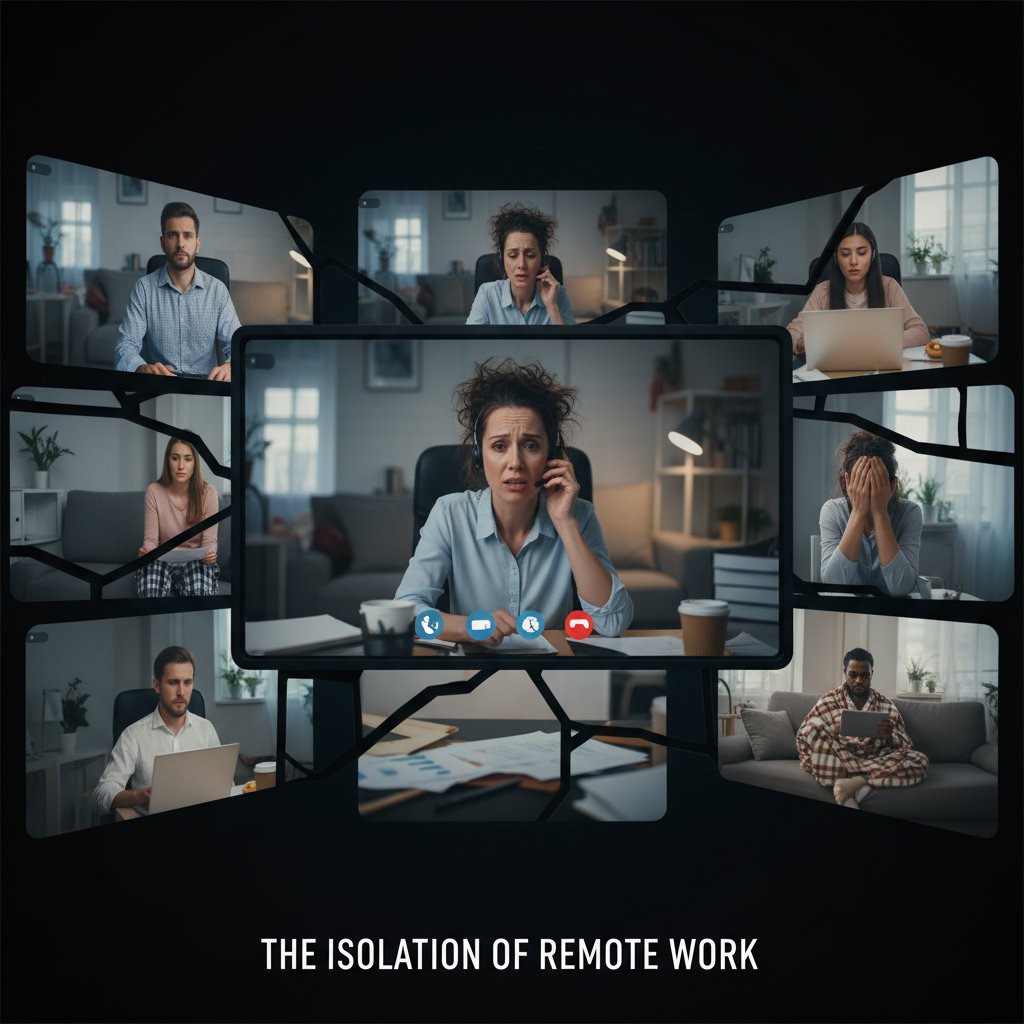
Lesson learned: in distributed environments, signals of dysfunction can be nearly invisible until disaster strikes.
When intervention made things worse: learning from mistakes
Not every attempt at solving employee problems ends in triumph. In a consulting firm, a new anonymous feedback app was rolled out with no context, leading to a flood of negative comments and a collapse in trust. As Morgan, a team lead, admits, “Sometimes even the best intentions go sideways.” Only after candid conversations and an overhaul of their approach did trust begin to recover.
"Sometimes even the best intentions go sideways." — Morgan, Team Lead, HR Today, 2024
The silver lining? Failure, when acknowledged, can become the crucible of better systems.
Practical tools: checklists, assessments, and quick wins
Self-assessment: is your workplace at risk?
Before launching another intervention, leaders must diagnose the landscape. Use this checklist to spot latent employee problems:
- Have absenteeism or turnover rates increased in the last 6 months?
- Are employee surveys showing declining engagement or psychological safety?
- Do you observe increased gossip, cliques, or interdepartmental friction?
- Is feedback infrequent, or only flows one way (top-down)?
- Are performance dips explained away as “individual” failures?
If you tick more than two boxes, systemic issues may be brewing. Don’t delay action; early intervention keeps problems from scaling.
Quick wins for immediate relief
Not every solution requires a full overhaul. Leaders can deploy these “quick wins” for fast relief:
- Institute “open hours,” where any employee can raise concerns with leadership directly.
- Pilot a weekly micro-retrospective—just 10 minutes to surface wins and pain points.
- Launch a recognition program for small wins, not just big achievements.
- Use AI tools to summarize and prioritize tasks, reducing email overload immediately.
Hidden benefits of unconventional quick fixes:
- Rapid trust-building through visible action.
- Early detection of deeper problems.
- Boosted morale from unexpected, low-effort changes.
- Creation of feedback-rich environments without bureaucracy.
Mini-case: A healthcare provider rolled out daily gratitude shoutouts via an internal chat, seeing a 20% bump in reported well-being within a month.
Long-term habits for sustainable change
Band-Aids are for emergencies; sustainable change grows from new habits embedded into daily work.
New habits vs. old routines—what changes stick:
Ditch the “open book” orthodoxy. Share critical information, but provide background and rationale.
Swap annual reviews for weekly micro-feedback, making growth part of the culture.
Move from rigid schedules to objective-driven flexibility, measured by outcomes, not face time.
When these shifts became the new normal, organizations observed measurable upticks in engagement, innovation, and retention—results that stuck because they became “how we work,” not just “what we try for a quarter.”
Beyond the obvious: the future of employee problem-solving
AI teammates and the evolution of collaboration
AI-powered teammates, such as futurecoworker.ai, are moving from novelty to necessity in leading enterprises. These tools manage email chaos, streamline collaboration, and surface key insights—freeing up human teams to focus on creativity and relationship-building.

However, the real edge comes from the human-AI partnership: letting algorithms handle administrative drag, while leaders double down on empathy, creativity, and sense-making.
New frontiers: intersection of culture, psychology, and technology
As generational and cultural shifts transform the workplace, the toolkit for solving employee problems must evolve. From the command-and-control management of the 1970s to today’s emphasis on inclusion, psychological safety, and tech-enabled feedback, the journey is ongoing.
| Decade | Dominant Approach | Employee Problem-Solving Focus |
|---|---|---|
| 1970s | Top-down hierarchy | Suppression, discipline |
| 1980s-90s | Standardization, HR policies | Compliance, documentation |
| 2000s | Engagement programs | Motivational interventions |
| 2010s | Agile, coaching, well-being | Empowerment, feedback culture |
| 2020s | Tech + empathy integration | Transparency, micro-experiments, AI |
Table 5: Timeline of workplace problem-solving approaches, 1970-2025.
Source: Original analysis based on HR literature
These new frontiers demand a blend of cultural literacy, technological savvy, and psychological insight—skills that every leader must cultivate.
Why every leader must become a workplace anthropologist
To solve employee problems, leaders must think like workplace anthropologists—studying not just what’s said, but what’s unsaid; not just what’s done, but why it’s done.
Key questions for workplace anthropologists:
- What behaviors are rewarded versus merely tolerated?
- How is dissent expressed—or suppressed?
- What norms, rituals, or stories shape daily interactions?
- Where do bottlenecks, friction, or “elephants in the room” persist?
- Whose voices are missing from the conversation?
Curiosity, not control, is the new superpower. Leaders who stay curious adapt faster and spot trouble before it erupts.
Controversies, myths, and what the experts get wrong
The myth of 'culture fit'
“Culture fit” has long been HR gospel, but over-reliance on this idea can breed monoculture and stifle diversity. According to current research, organizations that prioritize “culture add”—seeking complementary, not identical, values and perspectives—enjoy greater innovation and resilience.
Hiring for alignment with existing norms and behaviors. Risks reinforcing groupthink and exclusion of dissenters.
Hiring for difference, complementary skills, and fresh perspectives. Drives adaptability and creativity.
Monoculture isn’t just boring—it’s brittle, unable to weather change.
When 'best practices' become worst practices
Conventional wisdom can be a trap. Many so-called “best practices” outlive their usefulness, yet linger in handbooks and onboarding slides.
Outdated approaches that still linger in 2025:
- Annual performance reviews as the only feedback mechanism.
- Mandatory fun days that disregard employee preferences.
- One-size-fits-all wellness initiatives.
- Over-surveillance of remote workers in the name of security.
The better approach? Regularly audit your “best practices” against real outcomes, and have the courage to kill the sacred cows.
What experts disagree on (and why it matters)
HR circles are hotbeds of debate: Should feedback be anonymous or face-to-face? Is hybrid work a blessing or curse? Is radical transparency always best? As Taylor, a workplace consultant, argues, “If you’re not arguing, you’re not innovating.” The lesson: diversity of thought, when managed well, is the ultimate insurance policy against stagnation.
"If you’re not arguing, you’re not innovating." — Taylor, Workplace Consultant, Workplace Review, 2025
The healthiest organizations don’t chase consensus—they chase clarity, through robust, respectful debate.
Expanded perspectives: adjacent and emerging issues
Remote work, hybrid chaos, and the new normal
Remote and hybrid work have redrawn the map of employee problems. Communication gaps, time zone chaos, and isolation now top the list of managerial headaches.

Strategies for the distributed era: invest in asynchronous communication, set clear expectations for availability, and use AI-powered summaries to cut through email bloat.
Generational divides and shifting values
Gen Z, Millennials, and Boomers don’t just differ in music taste—they see workplace problems through radically different lenses.
- Boomers: Value loyalty and stability, less vocal about dissatisfaction.
- Gen X: Expect autonomy, dislike micromanagement.
- Millennials: Crave rapid feedback and purpose-driven work.
- Gen Z: Demand flexibility, authenticity, mental health support.
Generational divides can fuel misunderstandings, but also offer a rich source of new ideas—if managed with curiosity and respect.
The global lens: cross-cultural differences in solving employee problems
Employee issues manifest differently worldwide. In collectivist cultures, open dissent may be rare, while individualist cultures tolerate—sometimes even expect—public disagreement.
| Country | Common Employee Problem Solution | Cultural Influence |
|---|---|---|
| Japan | Indirect feedback, group harmony | Collectivist, high-context |
| USA | Direct feedback, individual focus | Individualist, low-context |
| Germany | Structured mediation, documentation | Rule-oriented, hierarchical |
| Brazil | Relationship-building, informal | High-context, flexible |
Table 6: Cross-country comparison of common employee problem solutions.
Source: Original analysis based on cross-cultural HR research, 2025
Global companies must tailor their approaches, blending universal principles with local nuance.
Synthesis: tying it all together and what to do next
Key takeaways: what really works (and what doesn’t)
Solving employee problems in 2025 demands more than slogans and software. The most actionable insights?
- Face root causes, not just symptoms.
- Blend empathy with courageous, structural action.
- Use technology as a lever, not a crutch.
- Foster structured dissent and diverse perspectives.
- Audit and kill “best practices” that don’t deliver.
- Stay curious—become a workplace anthropologist.
Leaders in every industry must move beyond compliance and toward cultures of trust, experimentation, and honesty.
Building a resilient workplace: your next moves
Here’s a step-by-step playbook for meaningful change:
- Diagnose honestly: Use checklists, feedback, and pulse surveys to diagnose problems early.
- Design micro-experiments: Pilot small changes, measure impact, and iterate quickly.
- Invite dissent: Structure disagreement into meetings and decisions.
- Leverage external input: Bring in mediators, coaches, or AI assistants to challenge tunnel vision.
- Embed new habits: Make feedback, transparency, and flexibility daily rituals.
- Audit regularly: Review “best practices” and prune what no longer fits.
- Invest in learning: Train leaders and teams in psychological safety and cultural literacy.
The future favors the bold—those willing to lead with curiosity and humility.
The new rules: redefining success in employee relations
Success isn’t keeping everyone happy or avoiding conflict; it’s building the muscle to surface, diagnose, and solve problems before they sink your culture. As Jordan, CEO of a leading fintech, says, “Real progress means new problems—just better ones.”
"Real progress means new problems—just better ones." — Jordan, CEO, FinTech Weekly, 2025
So the question isn’t whether you have employee problems. You do. The real test? Whether you’re brave enough to face them—and inventive enough to solve them, for good.
Sources
References cited in this article
- Gallup 2025: Employee engagement decline(hrzone.com)
- Apploye 2025 Monitoring Statistics(apploye.com)
- Work Institute 2025 Retention Report(info.workinstitute.com)
- CultureBot 2025 Workplace Stats(getculturebot.com)
- SkillCollective: Why most skills initiatives will fail in 2025(skillcollective.co.uk)
- Gallup: Workplace Challenges 2025(gallup.com)
- Band-Aid Methods: Why Superficial Workplace Fixes Aren’t Enough(greatplacetowork.com.au)
- The Band-Aid Effect - a-ha!(a-ha.com.au)
- Deconstructing the 'Bad Apple' Theory(linkedin.com)
- One "bad apple" spoils the whole office | Reuters(reuters.com)
- SHRM: Poor Management Problems(primalogik.com)
- Scientific American: Peak Denial(scientificamerican.com)
- CiKATA: Symptoms vs. Root Causes(cikata.com)
- Vitalflux: Root Cause Analysis(vitalflux.com)
- SHRM: Defusing Workplace Tensions(shrm.org)
- CDC NIOSH: Stress at Work(cdc.gov)
- Teamly: Problem-Solving Scenarios(teamly.com)
- Growthspace: PayPal Example(growthspace.com)
- Gallup: $8.8 Trillion Cost(forbes.com)
- McKinsey: Cost of Unhappy Workers(mckinsey.com)
- Time: 2025 Predictions(time.com)
- LinkedIn: 5 Brutal Truths Redefining Work(linkedin.com)
- Harvard Business Review: AI and Creativity(hbr.org)
- Nature: AI and Employee Responsibility(nature.com)
- Forbes: Unorthodox Solutions(forbes.com)
- SHRM: Strategies for Problem Employees(shrm.org)
- HR Acuity Study 2024(prnewswire.com)
- Mercer 2023-2024 Study(mercer.com)
- SHRM State of the Workplace 2023-2024(shrm.org)
- Glossy: Gap's Turnaround(glossy.co)
- Geekbot: Remote Team Conflicts(geekbot.com)
- Reworked: Confronting Conflict in Remote Teams(reworked.co)
- TwentyEight Consultancy: Cost of Workplace Conflict(twentyeightconsultancy.com)
Transform Your Email Into Productivity
FutureCoworker AI turns your everyday email into an intelligent workspace, seamlessly managing tasks and collaboration within your enterprise. It eliminates the complexity of AI, allowing you to benefit from advanced technology without any technical knowledge. Achieve productivity, streamline processes, and improve team efficiency through natural email interaction, getting tasks done faster and smarter.
Get startedReady to Transform Your Email?
Start automating your tasks and boost productivity today
Frequently Asked Questions
What percentage of employees globally feel engaged at work according to the article?
According to Gallup data cited in the article, only 30% of employees globally report feeling engaged at work as of 2025.
Why do quick fixes like mediation sessions often fail to solve employee problems?
Quick fixes suppress symptoms temporarily but ignore deeper dysfunction, allowing resentment and confusion to fester underneath, leading to more profound breakdowns over time.
What is the 'Band-Aid effect' in the context of employee problem-solving?
The Band-Aid effect refers to superficial interventions that provide temporary relief but worsen underlying issues; it's driven by leaders' psychological need for immediate action rather than addressing root causes.
How much productivity does disengagement and churn cost the U.S. annually?
According to the article, disengagement and churn siphon $438 billion each year from U.S. productivity.
Continue Reading
Keep exploring Intelligent enterprise teammate

Why Staff Problems Persist and How to Solve Them
Staff problems persist despite workshops and perks. This article explains root causes of disengagement and evidence-based strategies to solve staff problems sustainably.

How to Fix Staff Issues: Culture, Conflict, and AI Coworkers
This article explains how to fix staff issues by addressing root causes: workplace culture, conflict dynamics, and the role of AI colleagues in 2025.

Employee Resolution: Why Most Conflict Management Fails
Employee resolution directly affects retention and productivity. This article examines why most conflict management fails and what modern approaches have proven effective.

Employee Solution 2026: What Actually Moves the Needle
Employee solutions promise workplace transformation but often mask deeper dysfunction. This article examines what actually works and what fails in modern workplace tools.

Why Fixing Employee Issues Requires Fixing the System First
This article examines how to fix employee issues by addressing systemic workplace problems rather than blaming individuals, backed by recent research on stress and burnout.

Seven Truths About Managing Employee Work in the AI Era
Managing employee work has become harder in the hybrid, AI-driven era. This article examines seven research-backed truths about why outdated practices fail and what actually engages teams.