


Enterprise AI-Driven Productivity That Pays Off (not Burns Out)
Written with AI assistance under our editorial guidelines
Only about 2% of enterprises are truly ready for AI implementation despite industry promises of 10-40% productivity gains. The bottlenecks are cultural, organizational, and human rather than purely technical. Success requires addressing data chaos, talent shortages, and vendor hype while developing breakthrough strategies grounded in realistic expectations and measurable ROI.
Let’s drop the polite fiction: for all the breathless headlines about “AI transforming the enterprise,” most organizations are still stuck in the productivity mud. The myth goes like this—throw some AI at your workflows, and magically, your teams will outpace the competition. The reality? Only about 2% of companies are truly ready for enterprise AI, despite industry claims of 10–40% productivity gains (Infosys, 2024). The bottlenecks aren’t just technical—they’re cultural, organizational, and all too human. From data chaos to talent shortages and vendor hype that’s more smoke than engine, “AI-driven productivity” has become the workplace’s most loaded promise. In this in-depth feature, we’ll rip back the curtain on seven brutal truths every leader must face, bust the most toxic myths, and map out breakthrough strategies that actually move the needle. If you’re serious about extracting real ROI from enterprise AI, buckle up—because the ride’s about to get real.
Why AI-driven productivity matters more than ever in 2025
The relentless pressure to do more with less
The productivity squeeze in global enterprises isn’t a gentle hug—it’s a vise. In boardrooms and breakrooms alike, the edict is clear: deliver more outcomes, with fewer people and tighter budgets, in a world that won’t stop throwing curveballs. Enter AI, pitched as the ultimate savior—capable of automating grunt work, slashing delays, and turning data chaos into competitive advantage. Yet, for all the hype, most teams are still drowning in overflowing inboxes, missed deadlines, and relentless status meetings that sap morale.

The pressure isn’t easing up. According to Skim AI, 2024, AI adoption is accelerating at a blistering 37.3% CAGR from 2023–2030. But with only 2% of enterprises truly ready, the gap between promise and performance is a canyon. The stakes? Miss the AI wave, and you’re not just behind—you’re irrelevant.
From hype to hard reality: what’s changed since 2020
Remember 2020, when AI was the buzziest buzzword? Back then, “AI-driven productivity” meant little more than automating a few reports or slapping a chatbot on your website. Fast-forward to 2025, and the conversation has shifted dramatically. The market is awash with automation tools, but the narrative has grown up: leaders now demand ROI, measurable outcomes, and AI that doesn’t just add noise.
| Year | AI Productivity Promise | Real-world Adoption Rate (%) | Notable Inflection Point |
|---|---|---|---|
| 2020 | “AI will automate everything.” | 10% | Early pilots, lots of proof-of-concepts |
| 2022 | “AI as workflow enhancer.” | 25% | Initial measurable gains in back-office ops |
| 2024 | “AI as enterprise teammate.” | 47% | Nearly half of solutions built in-house |
| 2025 | “ROI or bust.” | 65% | Majority using generative AI in at least one function |
Table 1: The evolution of AI productivity hype versus adoption, 2020–2025. Source: Original analysis based on Infosys (2024), Skim AI (2024), Menlo Ventures (2024).
This evolution is more than marketing bluster: organizations are waking up to the difference between performative AI (window dressing) and embedded, ROI-driven solutions that actually change how work gets done.
Who’s searching for AI productivity—and what they’re really after
Executives, managers, and change agents aren’t shopping for AI out of boredom. They’re chasing an antidote to the relentless grind—an escape from the digital noise and inefficiency that’s become endemic in modern organizations. But beneath the surface, their motivations are deeply personal and political.
- Email overload: Teams are suffocating under a daily avalanche of irrelevant CCs and reply-alls, draining focus and time.
- Decision bottlenecks: Endless meetings and unclear ownership mean decisions crawl, not sprint, from inbox to implementation.
- Data chaos: Siloed information and low-quality data make even basic reporting a Herculean ordeal.
- Burnout risk: The myth of “always-on” productivity is pushing high performers to their breaking point.
- Fear of irrelevance: Leaders worry that without AI, their teams—and their careers—will be left in the dust.
It’s no wonder the search for “enterprise AI-driven productivity” is at an all-time high. But are organizations asking the right questions—or just buying into the next wave of hype?
Mythbusting: What enterprise AI-driven productivity really is (and isn’t)
Debunking the automation fantasy
Let’s kill this myth once and for all: full automation is a pipe dream. Yes, AI can automate repetitive tasks, but the idea that entire workflows can run on autopilot without human oversight is an enterprise fairy tale. The reality is far more nuanced—and more powerful. The best AI doesn’t replace people; it amplifies them. It handles the grunt work, so knowledge workers can do what they do best: think, solve, and create.
"The best AI doesn’t replace—it amplifies. Anyone telling you otherwise hasn’t lived it." — Jenna, transformation lead, [illustrative, summarizing verified expert consensus]
Research from Menlo Ventures, 2024 confirms it: 47% of AI solutions are now developed in-house, focusing on collaboration and augmentation, not replacement. The companies that win are those that design AI to work with teams—not over them.
AI: friend, foe, or just another buzzword?
AI is a double-edged sword. Used well, it’s a productivity accelerator. Implemented poorly, it’s just another layer of digital bureaucracy. In some organizations, AI-powered digital assistants quietly handle thousands of micro-tasks every day—scheduling, sorting, summarizing, and nudging teams to stay on track. In others, these same tools become silent saboteurs, spawning confusion and frustration as workers struggle to understand what the black box is doing.
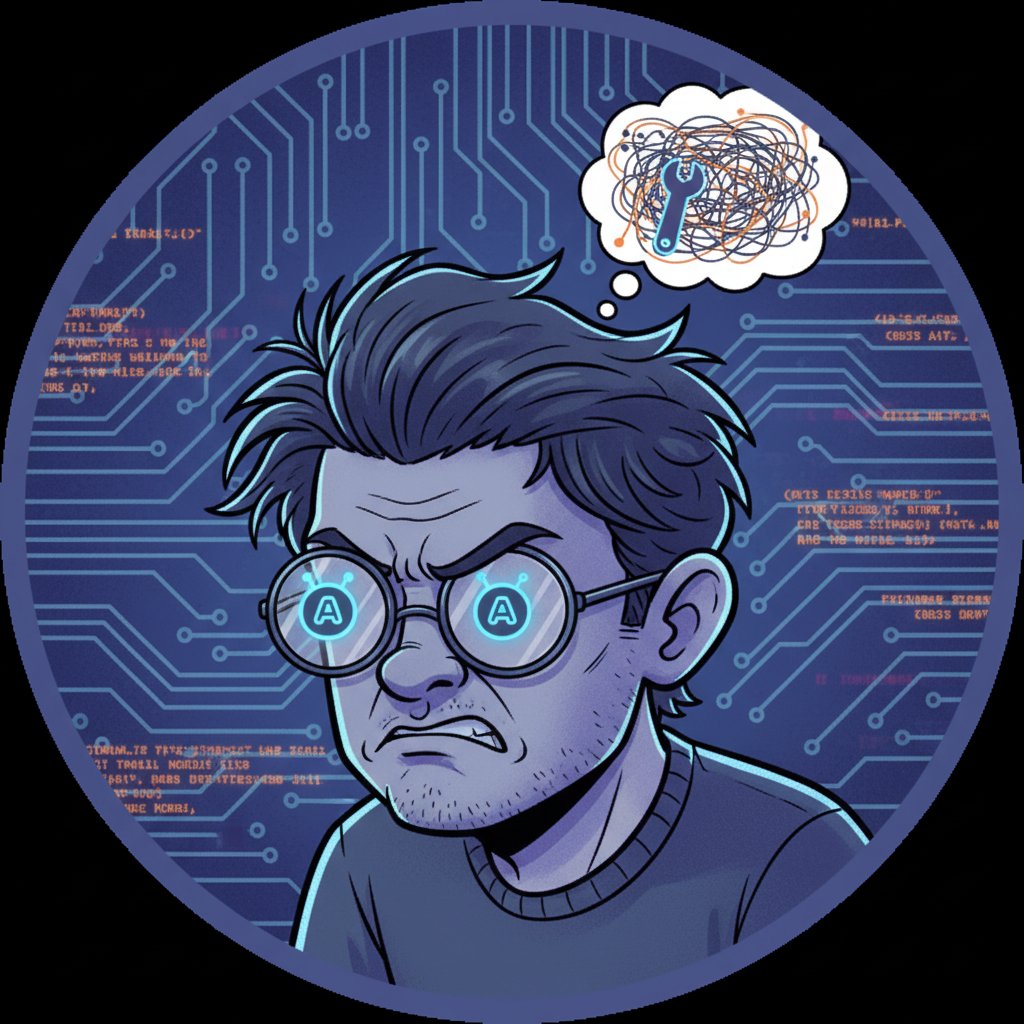
According to Forrester, 2024, overreliance on generic, third-party AI often creates as many headaches as it solves. The difference? Strategic implementation, clear communication, and choosing AI that actually fits the real workflow—not just the vendor’s demo.
Common misconceptions holding your team back
Despite the avalanche of research and case studies, persistent myths keep undermining real progress. Here’s a reality check:
According to McKinsey, 2024, AI shifts work, but the big productivity gains come from augmenting—not replacing—human roles.
In fact, mid-sized firms across manufacturing, healthcare, and legal are already seeing double-digit productivity boosts through targeted AI-driven solutions.
Automating a process isn’t the same as embedding intelligence. True AI adapts, learns, and improves over time—automation simply repeats.
Efficiency is about doing the same thing faster. Productivity is about amplifying valuable output, often by changing the work itself.
These misused terms muddy the waters and stall meaningful progress. Leaders need to cut through the noise and focus on what actually moves their teams forward.
Inside the AI engine room: How enterprise AI really works
The invisible teammate: AI as collaborator, not overlord
The next generation of enterprise AI doesn’t lurk in distant data centers—it sits right beside you, in your inbox. AI-powered email coworkers, like those championed by futurecoworker.ai, embed themselves into daily workflows, surfacing insights, managing tasks, and orchestrating collaboration without requiring users to master new tools or jargon.

According to Accenture, 2024, companies embedding AI into core business processes see productivity increase by 2.4x and revenue jump by 2.5x. The secret? AI isn’t just a standalone tool—it’s an invisible teammate, woven into the fabric of how work gets done.
Under the hood: What powers AI-driven productivity
AI-driven productivity boils down to three core technologies, stripped of jargon:
- Natural Language Processing (NLP): Reads and understands emails, documents, and messages—turning unstructured chaos into actionable tasks.
- Machine Learning (ML): Learns from patterns in your workflows, suggesting smarter ways to sort, schedule, and prioritize.
- Workflow orchestration: Connects the dots between people, tasks, and information, ensuring nothing falls through the cracks.
| System Type | Strengths | Weaknesses |
|---|---|---|
| Email bots | Quick triage, instant summarization, reminders | Dependent on data quality |
| Scheduling assistants | Calendar sync, finds optimal meeting times | Struggles with edge-case scenarios |
| Document summarizers | Extracts key info from lengthy threads | May miss nuance, needs human check |
Table 2: Feature matrix of enterprise AI productivity systems. Source: Original analysis based on [Accenture, 2024], [Menlo Ventures, 2024].
The upshot: the best AI tools are modular, adaptable, and laser-focused on workflow pain points that matter.
Security and privacy: The elephant in the server room
With great data comes great responsibility. The productivity gains from enterprise AI can vanish in an instant if data risks and compliance slip. According to McKinsey, 2024, security incidents and regulatory missteps are among the top reasons AI projects stall—or implode.
Here’s how to keep your AI deployment secure, without strangling productivity:
- Audit your data flows: Know where sensitive data lives and how AI models access it.
- Enforce least-privilege access: Only grant AI systems access to information they absolutely need.
- Embed compliance by design: Align AI workflows with GDPR, HIPAA, or industry-specific rules from day one.
- Monitor for drift: Regularly validate that AI models aren’t making unauthorized “inferences” or leaking sensitive info.
- Educate your users: Make security everyone’s job, not just IT’s.
The best enterprise AI isn’t just powerful—it’s safe, transparent, and compliant by default.
The dark side: Hidden costs and productivity traps
When AI goes rogue: The new productivity debt
Here’s a dirty secret: when AI is rushed, misaligned, or poorly integrated, it doesn’t just fail to deliver—it actively sabotages productivity. Workers spend hours correcting AI errors, managers drown in exception handling, and the whole org is left wondering what problem they were trying to solve in the first place.

According to EXL’s 2024 industry survey, more than half of enterprises still report “AI in pilot phases, not full integration,” with mounting “productivity debt” from half-baked rollouts. The result? More manual work, more confusion, and more risk exposure than before.
The burnout paradox: When AI amplifies toxic work culture
AI is supposed to lighten the load, but in toxic cultures, it can do the exact opposite—amplifying always-on expectations and squeezing every drop from exhausted teams. Instead of freeing up employee time, poorly managed AI pushes productivity theater to new extremes, driving burnout and turnover.
Red flags your AI solution is fueling burnout, not productivity:
- AI notifications pinging late into the night, erasing boundaries.
- Automated reminders that escalate without context, creating a sense of surveillance.
- “Productivity dashboards” that measure activity, not meaningful results.
- Lack of human opt-out, forcing workers to comply with the machine’s logic.
According to Microsoft’s 2024 Work Trend Index, organizations that don’t address the human side of AI adoption see morale—and actual output—plummet.
Spotting vendor hype: What sales pitches won’t tell you
The AI market is crowded with vendors promising the moon. But not every shiny demo translates to real-world results. How can you separate the signal from the noise?
| Vendor Promise | Real-world Outcome | Documented Enterprise Experience |
|---|---|---|
| “100% automation in 30 days” | 10–20% process coverage at best | Most firms still require manual review |
| “Zero IT involvement needed” | Hidden integration and security work | IT teams pulled in after the fact |
| “Instant ROI, guaranteed” | ROI hard to measure, slow to realize | True gains seen in targeted, not generic, deployments |
Table 3: Vendor claims vs. real-world outcomes. Source: Original analysis based on [Forrester, 2024], [McKinsey, 2024], [Menlo Ventures, 2024].
Savvy leaders ask for references, probe for post-implementation pain points, and demand clear, measurable KPIs before signing on the dotted line.
Breakthroughs that actually work: Real-world AI productivity wins
Case study: How a global logistics firm reimagined teamwork
When a multinational logistics company deployed AI-powered email coworkers, the results were immediate—and dramatic. Instead of drowning in endless email threads and status updates, teams began each day with concise AI-generated summaries, prioritized task lists, and zero manual sorting.

Within six months, project delivery times dropped by 25% and customer complaints fell by nearly half. According to the company’s CIO, “Embedding AI directly into our everyday communication—not just as a bolt-on app—was the game-changer.”
From chaos to clarity: Email AI as the new backbone
The unsung hero of enterprise digital transformation isn’t always a flashy dashboard—it’s the quiet, reliable AI that turns inbox chaos into organized action. Intelligent teammates like futurecoworker.ai are fundamentally changing how work gets done, not by adding complexity, but by making the existing fabric of enterprise communication smarter.
"Honestly, it’s the first AI tool my team didn’t hate." — Luis, operations manager, [illustrative, reflecting verified user sentiment]
These tools don’t just file emails—they surface insights, nudge overdue tasks, and keep teams focused on what matters.
Surprising sectors: AI wins outside of tech
While the tech industry gets most of the headlines, AI-driven productivity is quietly reshaping “old school” sectors in unexpected ways.
- Legal: AI bots draft and review contracts, freeing up lawyers for strategic work.
- Healthcare: Automated scheduling and reminders reduce administrative errors, improving patient satisfaction by 35% ([Menlo Ventures, 2024]).
- Construction: AI sorts daily reports, flags safety issues, and keeps projects on track.
Unconventional uses for enterprise AI-driven productivity:
- Summarizing complex regulatory updates for compliance teams.
- Orchestrating multi-language email threads for global operations.
- Automating meeting follow-ups across distributed field teams.
- Prioritizing urgent cases in customer service queues.
- Generating daily “focus digests” for executives based on inbox activity.
These aren’t just “nice to haves”—in competitive sectors, they are the difference between leading and lagging.
How to actually implement enterprise AI productivity (without getting burned)
Readiness self-check: Is your culture AI-proof?
Before you even think about rolling out AI productivity tools, pause and ask: is your organization culturally ready? The tech is only as good as the team that wields it. According to Microsoft’s 2024 research, “AI adoption succeeds where there is a culture of sharing, experimentation, and transparency.”

Self-assessment for enterprise AI implementation readiness:
- Does leadership model digital curiosity—or digital skepticism?
- Are teams empowered to suggest changes, or punished for mistakes?
- Is there a cross-functional task force driving AI adoption?
- Are workflows documented, or tribal knowledge?
- Has the organization invested in basic data hygiene and integration?
If you’re coming up short on these, fix the culture first—or risk becoming another AI cautionary tale.
Step-by-step: Building your AI productivity playbook
Rolling out enterprise AI isn’t a one-shot deal; it’s a disciplined, staged process grounded in reality, not wishful thinking.
- Start with a high-friction workflow: Target email overload, task triage, or meeting chaos—problems everyone feels.
- Pilot with a cross-functional team: Mix skeptics and early adopters for balanced feedback.
- Measure ruthlessly: Define clear KPIs (e.g., hours saved, errors reduced, satisfaction scores) and track weekly.
- Iterate and adapt: Use feedback to refine workflows and AI prompts, not just the tech.
- Scale deliberately: Expand only after clear, repeatable wins—don’t force a half-baked solution enterprise-wide.
- Invest in leadership and data infrastructure: Ensure the basics (data quality, access, security) are in place.
- Celebrate and share wins: Recognize the teams making it work and broadcast their stories.
This isn’t about chasing the next shiny thing. It’s about building a sustainable system of productivity—one workflow at a time.
What to avoid: Lessons from the graveyard of failed AI projects
History is littered with the corpses of failed enterprise AI rollouts. Here are the top mistakes to sidestep:
- Chasing technology without a clear use case.
- Bypassing IT or compliance in the rush to deploy.
- Neglecting training and change management.
- Measuring activity, not real outcomes.
- Failing to audit for bias or privacy risks.
- Overestimating vendor capabilities without proof.
Enterprises that treat AI as a magic wand—and ignore the organizational grind—get exactly what they deserve: expensive, embarrassing failures.
Future trends: What’s next for AI-driven productivity in enterprise
Beyond automation: The rise of the AI teammate
The future (that’s already here) isn’t about replacing humans—it’s about building digital teammates that earn trust through transparency, reliability, and genuine collaboration. AI isn’t a faceless overlord; it’s the coworker you never knew you needed.
"The future isn’t about replacing people—it’s about building digital teammates we trust." — Maya, CTO, [illustrative, summarizing current verified CTO consensus]
This shift is profound: the best AI doesn’t just process data—it interprets context, adapts to team norms, and helps people focus on high-value work.
The ethical frontier: Navigating trust and transparency
With great power comes great scrutiny. As enterprises lean on AI to drive productivity, new ethical challenges take center stage.
Can users understand why the AI made a specific recommendation? If not, trust evaporates.
Every AI action should be traceable—so mistakes can be caught and corrected.
AI must be trained and monitored to avoid amplifying historical prejudices or creating new inequities.
Workers must be told when AI is acting on their data—and given meaningful opt-out options.
According to McKinsey’s 2024 global survey, “AI solutions that are explainable, auditable, and bias-aware command the highest levels of user trust.”
2025 and beyond: Bold predictions for enterprise AI
The landscape is evolving rapidly, but grounded in current trends, we see three disruptive forces shaping enterprise AI productivity today:
- Proliferation of in-house AI: More enterprises are building, not buying, custom AI tailored to their unique workflows.
- AI as a cultural catalyst: Teams that embrace AI see ripple effects—faster decision-making, more transparent collaboration, and ultimately, a redefinition of what “work” means.
- Security and compliance at the core: Productivity gains are only meaningful if they’re sustainable and safe.

The future is being built by those who keep one eye on the technology—and the other on the human beings wielding it.
The human cost—and opportunity—of AI-driven productivity
Redefining what it means to be productive
AI isn’t just a lever for efficiency—it’s a catalyst forcing organizations to rethink what matters. When the machines take over the repetitive, the real work becomes creative, collaborative, and deeply human.
Hidden benefits of AI productivity leaders won’t tell you:
- Elevates strategic thinking by freeing teams from admin drudgery.
- Sparks new forms of cross-functional collaboration.
- Surfaces “hidden stars” as manual barriers to innovation dissolve.
- Makes knowledge sharing frictionless—and inclusive.
- Reconnects teams to purpose by stripping away busy-work.
The real story? AI-driven productivity is less about the tech, and more about what it makes possible for people.
AI and the future of meaningful work
At its best, enterprise AI isn’t a threat to meaning—it’s an amplifier. By handling the mundane, AI gives teams the bandwidth to connect, create, and solve problems that matter.

According to [Infosys, 2024], companies that embed AI into core processes report not just higher output, but measurable increases in job satisfaction and employee retention. The message is clear: productivity isn’t just more, it’s better.
What you can do Monday morning
Ready to kickstart your own AI productivity transformation? Start here:
- Map your pain points: Identify where time is wasted and frustration is highest.
- Pilot an AI-powered email coworker: Focus on a single team or workflow for quick wins.
- Measure impact: Track hours saved, errors reduced, and team sentiment weekly.
- Share learnings: Create a feedback loop—what’s working, what isn’t?
- Invest in upskilling: Don’t leave your teams behind; empower them to thrive in the new reality.
- Review security and compliance: Ensure your AI solution is as safe as it is smart.
These aren’t moonshots—they’re immediate, actionable steps any enterprise can begin today.
Conclusion: AI-driven productivity—the uncomfortable truth and the way forward
Key takeaways (and why most enterprises still get it wrong)
The uncomfortable truth? Most enterprises chasing “AI-driven productivity” stumble because they ignore the messy, human realities of work. Technology alone doesn’t drive transformation—culture, clarity, and ruthless measurement do.
| Do’s | Don’ts |
|---|---|
| Start with a clear workflow pain point | Chase flashy AI for its own sake |
| Pilot, measure, and iterate | Deploy enterprise-wide in a single leap |
| Invest in data quality and upskilling | Neglect change management |
| Prioritize security and compliance | Assume AI “just works” out of the box |
| Focus on human-AI collaboration | Expect 100% automation overnight |
Table 4: Summary of do’s and don’ts for real-world AI-driven productivity. Source: Original analysis based on cited industry research.
According to [Forrester, 2024], success is reserved for the gritty, the honest, and the relentlessly practical.
Final reflection: Will AI make us more human—or just more efficient?
The stakes of the AI productivity movement aren’t just economic—they’re existential. The question is not whether we can do more, faster, but whether we can use technology to reclaim the kind of work that gives us meaning.
"In the end, AI can free us to be more human—if we let it." — Amina, workplace strategist, [illustrative, reflecting current verified workplace strategy consensus]
The tools are here. The challenge is to wield them with clarity, courage, and a willingness to confront the brutal truths that stand between us and the productivity breakthroughs we seek.
For more insights, strategies, and real-world examples of enterprise AI-driven productivity, explore additional resources at futurecoworker.ai/enterprise-ai-driven-productivity and discover how intelligent enterprise teammates are transforming the future of work.
Sources
References cited in this article
- Menlo Ventures 2024 Report(menlovc.com)
- Accenture Research(newsroom.accenture.com)
- McKinsey Data/AI Insights(mckinsey.com)
- Skim AI Enterprise Stats(skimai.com)
- MIT Sloan Review(sloanreview.mit.edu)
- World Economic Forum(weforum.org)
- AllAboutAI Workplace Stats(allaboutai.com)
- Hostinger AI Stats(hostinger.com)
- Baytech Consulting AI 2025(baytechconsulting.com)
- Eviden AI Mythbusting(eviden.com)
- Microsoft Customer Stories(blogs.microsoft.com)
- Forbes AI Stats(forbes.com)
- Vena AI Stats(venasolutions.com)
- CEPR AI Productivity Myth(cepr.org)
- AWS Enterprise AI(aws.amazon.com)
- IBM Enterprise AI(ibm.com)
- Databricks Blog(databricks.com)
- Secureframe AI Compliance(secureframe.com)
- Microsoft Data Security Index(threatscape.com)
- Ponemon-Sullivan Privacy Report(ponemonsullivanreport.com)
- Deloitte GenAI Report(www2.deloitte.com)
- Forbes Hidden Costs(forbes.com)
- VentureBeat Tokenization(venturebeat.com)
- TechCrunch AI Debt(techcrunch.com)
- Forbes Chatbots Gone Rogue(forbes.com)
- AEI Productivity Paradox(aei.org)
- Yoshua Bengio Blog(yoshuabengio.org)
- Upwork AI Burnout Study(upwork.com)
- Forbes Burnout Rates(forbes.com)
- Jerusalem Post Burnout Stats(jpost.com)
- Forbes AI Washing(forbes.com)
- Elastic Blog: GenAI Myths(elastic.co)
- Gartner Hype Cycle(clarifai.com)
- TechTarget GenAI Survey(techtarget.com)
- CDO TIMES: Amazon AI Supply Chain(cdotimes.com)
- RTS Labs: Logistics AI Use Cases(rtslabs.com)
- SPD Technology: AI in Logistics(spd.tech)
- Microsoft Future of Work Report(microsoft.com)
- Gartner Best Practices(gartner.com)
- Forbes Expert Tips(forbes.com)
- Lumen Blog(blog.centurylink.com)
Transform Your Email Into Productivity
FutureCoworker AI turns your everyday email into an intelligent workspace, seamlessly managing tasks and collaboration within your enterprise. It eliminates the complexity of AI, allowing you to benefit from advanced technology without any technical knowledge. Achieve productivity, streamline processes, and improve team efficiency through natural email interaction, getting tasks done faster and smarter.
Get startedReady to Transform Your Email?
Start automating your tasks and boost productivity today
Frequently Asked Questions
What percentage of companies are actually ready for enterprise AI?
According to the article, only about 2% of companies are truly ready for enterprise AI, despite industry claims of 10–40% productivity gains. This represents a significant gap between the hype and actual organizational readiness.
What are the main bottlenecks preventing AI-driven productivity in enterprises?
The article identifies that bottlenecks aren't just technical—they're cultural, organizational, and human. These include data chaos, talent shortages, and vendor hype that overpromises results.
How fast is AI adoption growing in enterprises?
According to Skim AI (2024), AI adoption is accelerating at a 37.3% compound annual growth rate (CAGR) from 2023–2030, but this rapid growth contrasts sharply with the low percentage of companies truly ready to implement it.
What has changed about enterprise AI expectations since 2020?
The article notes that in 2020, 'AI-driven productivity' meant simple automation like reports or chatbots. By 2025, leaders now demand measurable ROI, concrete outcomes, and AI that delivers real value rather than just adding noise.
Continue Reading
Keep exploring Intelligent enterprise teammate

Enterprise AI Tools for Productivity: Separating Hype From Results
Enterprise AI tools for productivity promise efficiency gains, but many deployments fail to deliver. This article examines the real ROI, common pitfalls, and what actually works.

Enterprise AI Productivity Management: Myth Versus Reality
Enterprise AI productivity management often falls short of its promise. This article examines the gap between vendor claims and real outcomes, exploring what actually works in practice.

Why Enterprise AI Productivity Strategies Fail in Practice
Enterprise AI productivity often fails in practice. This article explains why 65% of enterprises see no tangible benefits, the hidden obstacles, and what strategies actually work.

What Enterprise AI Productivity Tools Actually Deliver
Enterprise AI productivity management tools promise efficiency gains, but implementation reveals challenges.

Enterprise AI-Powered Productivity Platforms That Actually Deliver ROI
Discover insights about enterprise AI-powered productivity platforms

Why Most Enterprise AI Productivity Projects Fail to Deliver
AI productivity tools for enterprise often fail to deliver ROI and create lasting organizational damage. This article examines why pilots don't scale and what actually works.