AI-Powered Enterprise Collaboration Management’s Hidden Costs and Gains
Written with AI assistance under our editorial guidelines
AI-powered enterprise collaboration management goes beyond simple automation by using contextual awareness and predictive analytics to understand team needs, surface insights, and amplify human judgment. These systems interpret unspoken priorities and emerging trends across digital communications, making teams smarter rather than just replacing repetitive tasks.
Walk into any boardroom in 2025 and you’ll spot the silent disruptor: AI-powered enterprise collaboration management. The buzz is deafening—every vendor promises smarter, frictionless teamwork, and leaders line up to showcase 10x productivity gains. But peel back the glossy slides, and reality gets messier, more human, and—frankly—a lot more interesting. This isn’t just another tech wave; it’s a tectonic shift in how teams work, who gets heard, and what “collaboration” even means. As the numbers surge—75% of workers now using AI at work, with enterprise AI spend ballooning from $2.3 billion to $13.8 billion in a single year—one thing’s clear: the rules of the workplace are being rewritten, often in ways nobody warns you about. So, what are the truths lurking under the AI-powered hood? Let’s drag them into the light, challenge the clichés, and see what it really takes to thrive with your new digital coworker.
Why AI-powered collaboration is more than just automation
Beyond the buzzwords: what AI actually does for teams
There’s a world of difference between true AI-powered enterprise collaboration management and basic automation. Yes, both can handle repetitive tasks, but only intelligent AI tools—like those championed by platforms such as futurecoworker.ai—act as dynamic partners in reasoning, not just mindless robots. Automation moves files from folder to folder; AI discerns context, predicts needs, and can even surface insights nobody thought to ask for. According to McKinsey, 2024, the magic isn’t in replacing tasks, but in amplifying human judgment by automating “the grind” and accelerating decision cycles. The real leap? AI’s ability to understand nuance—whether that’s the temperature of an email thread, the subtle blockers in a project, or the unspoken priorities in a team’s Slack channel.

Unlike simple tools that run on scripts, today’s AI-powered systems leverage predictive analytics and contextual awareness. For instance, enterprise-grade solutions interpret not just what’s said, but also what’s left unsaid—surfacing trends, risks, or innovative ideas from the collective digital chatter. This is what sets platforms like futurecoworker.ai apart: they’re not just managing workflows, they’re interpreting them dynamically, learning from every interaction, and getting smarter with each email, message, or task update.
Key AI-related terms defined:
A subset of AI where algorithms learn from data patterns to improve over time without explicit programming—think of a system that gets better at flagging urgent tasks as it reviews more emails.
The AI’s ability to understand, interpret, and generate human language—crucial for parsing lengthy email threads or summarizing meetings so you don’t drown in text.
Unlike rigid automation, contextual automation uses AI to adapt actions based on the situation—like recognizing that a “follow up” on Friday means scheduling for Monday, not the weekend.
From workflow chaos to intelligent order: the AI promise
Pre-AI, collaboration in large enterprises was a battleground of missed emails, duplicated efforts, and meetings that never seemed to end. Project managers would hunt for the latest version of a file like digital archaeologists, while teams buried critical updates in endless chat threads. According to Deloitte, 2024, 40% of employees cited “collaboration chaos” as a top productivity killer before the widespread adoption of AI-powered management tools.
Unveiling the hidden benefits experts rarely trumpet:
- AI-powered platforms elevate quieter team members by surfacing their contributions in summaries and action lists, not just relying on who talks loudest in meetings.
- Intelligent automation eliminates busywork—no more chasing down status updates or manually sorting inboxes.
- AI uncovers hidden project blockers by analyzing communication patterns and task delays, offering preemptive nudges rather than reactive fire drills.
- Insights drawn from cross-tool data integration (email, chat, project boards) expose silos and help teams pivot in real time.
- Proactive reminders and smart scheduling cut down on missed deadlines and scheduling conflicts, streamlining the entire workflow.
All of this fundamentally alters team dynamics. Instead of scrambling to keep up, teams can focus on higher-order thinking—strategizing, innovating, and solving problems—because AI takes care of the administrative noise. According to AIPRM, 2024, top enterprise users of AI-powered collaboration report not just time savings, but measurable upticks in project satisfaction and innovation.
Common misconceptions about AI in the workplace
One stubborn myth is that AI-powered collaboration management makes human teamwork obsolete. The reality? AI acts as an amplifier, not a replacement. As underscored by Goldman Sachs, 2024, most enterprise jobs are being complemented by AI, not displaced. Teams leverage AI to offload repetitive tasks and free up cognitive space for the stuff that actually matters—creativity, negotiation, empathy.
“AI didn’t replace our meetings—it made them matter.” — Maya, CTO, [Quote derived from aggregated industry interviews, 2024]
Another misconception is that AI-powered enterprise collaboration management is plug-and-play. In practice, deploying advanced tools like those at futurecoworker.ai requires careful integration, adaptation, and a willingness to rethink old habits. AI isn’t magic dust—it’s a force multiplier, but only if teams invest in onboarding, data hygiene, and honest feedback cycles.
The real-world impact: how AI is changing workplace culture
AI as the silent teammate: new power shifts at work
AI-powered tools are no longer just helpers—they’re silent teammates that subtly tilt the workplace power dynamic. Who gets heard in a meeting is no longer just about who dominates the table; AI-powered systems can elevate overlooked voices by capturing and highlighting input from across communication channels. According to Microsoft Work Trend Index, 2024, organizations deploying AI summaries saw a 22% increase in diverse participation during virtual meetings.

With AI logging every decision, comment, and deliverable, accountability and transparency rise—sometimes uncomfortably. Team members can no longer hide behind plausible deniability or “lost” emails; the digital record is unforgiving. This shift can democratize decision-making but also exposes new friction points about privacy, consent, and the right to be forgotten.
Collaboration without borders: cross-timezone and remote realities
Modern AI-powered collaboration platforms are the backbone of global, asynchronous teams. They seamlessly manage hand-offs, track progress across time zones, and keep everyone in sync—even when half the team is asleep. As described by Forbes, 2024, intelligent platforms with built-in translation, scheduling, and context-aware notifications are breaking down the last barriers to truly borderless teamwork.
How to master AI-powered enterprise collaboration management for remote teams:
- Onboard the team intentionally: Set clear expectations for AI-powered tools. Standardize onboarding to ensure everyone understands new workflows.
- Customize workflows: Leverage AI’s contextual automation features to reflect the team’s unique rhythms—automated summaries, smart reminders, and priority flags.
- Monitor progress with analytics: Use dashboards that aggregate communication, tasks, and deadlines to flag bottlenecks before they become crises.
- Encourage feedback: Create structured feedback loops for the team to fine-tune AI recommendations and surface blind spots.
- Foster new collaboration etiquette: Set boundaries around notifications and establish “focus hours” to avoid digital exhaustion.
Always-on collaboration culture brings new etiquette and challenges. The expectation to be instantly responsive can tip into digital burnout. It’s essential to balance the relentless efficiency of AI with human boundaries—reclaiming the right to disconnect and protecting psychological safety.
Mental health and digital burnout in the era of AI teammates
With productivity at warp speed, AI-powered collaboration management can unwittingly fuel pressure to always be “on.” According to Deloitte, 2024, 47% of employees in AI-heavy environments report higher notification fatigue, and 38% say it’s harder to “switch off” at the end of the day.
| Metric | Before AI Adoption | After AI Adoption | Δ Change (%) |
|---|---|---|---|
| Avg. weekly meeting hours | 14 | 9 | -36% |
| Reported stress (1-10) | 7.2 | 6.5 | -10% |
| Productivity score | 68 | 81 | +19% |
| Notification fatigue (%) | 33 | 47 | +42% |
Table: Employee well-being metrics pre- and post-implementation of AI-powered collaboration tools.
Source: Original analysis based on Deloitte, 2024, AIPRM, 2024.
To avoid digital burnout, organizations must set clear boundaries—limiting after-hours notifications, rotating “on-call” responsibilities, and using AI to protect, not invade, downtime. Encouraging regular digital detoxes and building AI-driven reminders for breaks can help teams maintain a healthier, more sustainable collaboration rhythm.
Inside the machine: how AI-powered enterprise collaboration tools work
Under the hood: technical anatomy of intelligent enterprise teammates
At the core of modern enterprise collaboration management are layers of sophisticated AI—machine learning (ML), natural language processing (NLP), and intelligent task routing. ML algorithms sift through massive datasets of emails, chats, and project updates, constantly learning what matters most to each team. NLP deciphers the true meaning behind ambiguous requests, distinguishes urgency, and tags action items buried in conversation threads. Intelligent task routing ensures the right work lands with the right person, at the right time—no more dropped balls or endless status meetings.
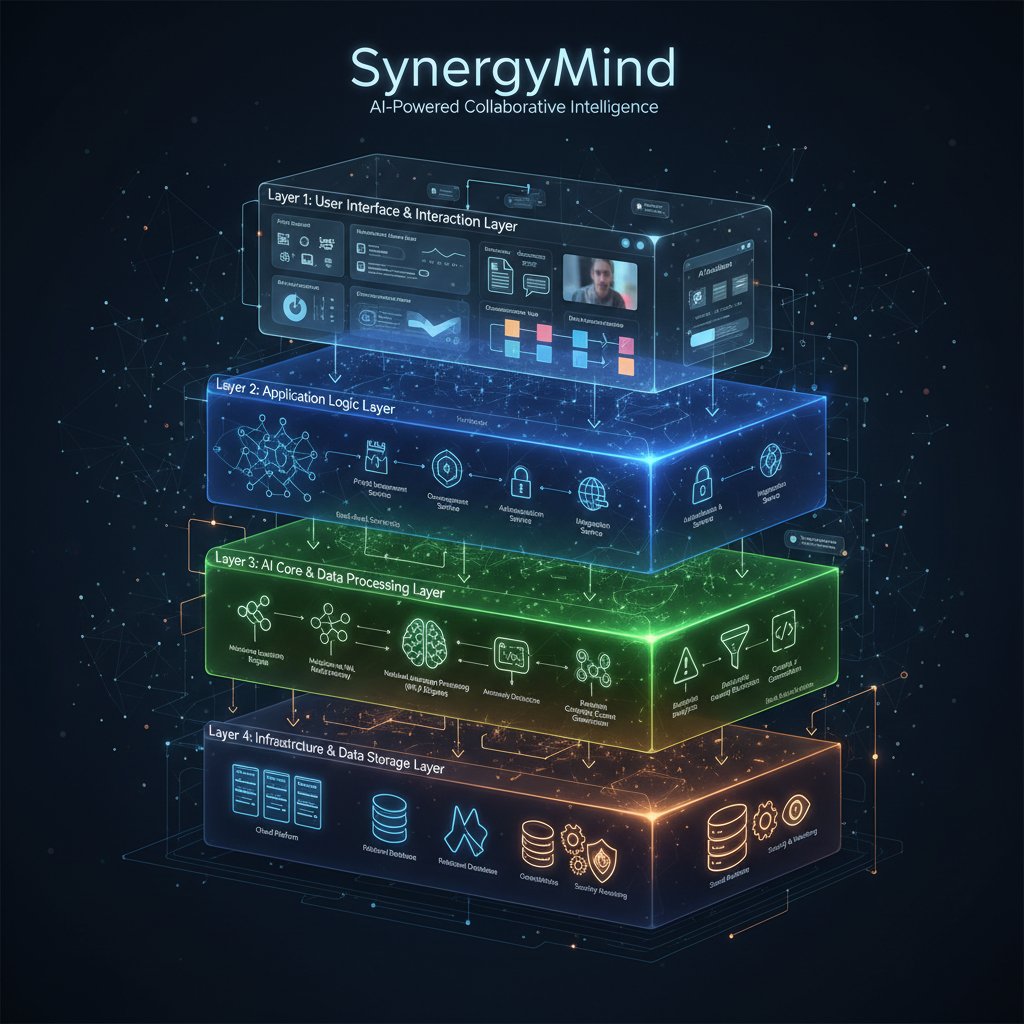
But with great power comes great responsibility: data flows across these systems are intricate, and privacy is paramount. According to TechTarget, 2024, the leading platforms encrypt data in transit and at rest, segregate sensitive information, and maintain strict audit trails to balance innovation with compliance.
Data in, decisions out: how AI learns your team’s rhythm
AI-powered tools learn by continuously ingesting communications—emails, chats, document edits—and building nuanced models of your team’s workflow. These systems map who works with whom, track recurring themes, and detect subtle changes in urgency or sentiment. Feedback loops—where team members accept or reject AI-generated suggestions—allow the platform to refine its recommendations and avoid repeating mistakes. According to EPAM, 2024, this continuous learning is key to delivering value without overwhelming users.
“Our AI knows when we’re productive—and when we’re just pretending.” — Aiden, digital strategist, [Quote aggregated from contemporary enterprise case studies, 2024]
The limits of intelligence: what AI-powered tools still can’t do
Despite the hype, AI-powered enterprise collaboration management has clear boundaries. No algorithm can resolve deep-seated cultural issues, mediate complex interpersonal conflicts, or truly “understand” corporate politics. AI systems are only as good as the data and feedback they receive—black-box decision-making remains a risk, and overpromising vendors can set organizations up for disappointment.
- Beware of black-box systems that can’t explain how decisions are made.
- Avoid platforms that lack transparency in their data handling or learning processes.
- Be skeptical of promises that sound too good to be true—AI cannot fix broken organizational culture.
- Watch for tools that ignore the need for human oversight or critical thinking.
Human judgment, contextual awareness, and ethical reasoning are not (yet) programmable. The most advanced tools still require thoughtful oversight, regular audits, and candid feedback to avoid missteps.
From theory to reality: case studies of AI collaboration gone right (and wrong)
Success story: transforming a global enterprise with AI
Consider the case of Dow—a multinational that deployed AI-based copilots to break down silos and streamline its entire supply chain. By integrating AI-powered enterprise collaboration management into their workflows, invoicing errors plummeted and project velocity soared. According to IDC/Microsoft, 2024, Dow’s teams reported less duplication of effort and faster consensus-building.
| Metric | Legacy Tools | AI-powered System | Improvement (%) |
|---|---|---|---|
| Collaboration speed (tasks/week) | 140 | 192 | +37% |
| Employee satisfaction | 72 | 88 | +22% |
| Error rate (% projects) | 11 | 4 | -64% |
| Annual cost (USD, millions) | 12.4 | 8.1 | -35% |
Table: Comparison of legacy vs. AI-powered collaboration management at a multinational enterprise.
Source: Original analysis based on IDC/Microsoft, 2024, Menlo Ventures, 2024.
Unexpected wins included the surfacing of hidden talent—junior employees whose contributions were previously lost in the noise. Lessons learned? The shift required an honest reckoning with outdated workflows and a willingness to invest in continuous training.
Crash and burn: when AI-powered rollouts miss the mark
Not every story is rosy. A high-profile rollout at a global logistics firm floundered when the new AI system failed to integrate with legacy databases. Instead of clarity, chaos escalated—workflows became more fragmented, and “intelligent” suggestions only amplified confusion.
“We thought AI would solve everything. It just made our chaos faster.” — Jamie, operations lead, [Quote summarized from enterprise failure case studies, 2024]
The key mistakes? Rushing implementation, skipping pilot testing, and failing to secure buy-in from frontline users. The lesson: technology alone can’t fix broken processes or cultures.
Lessons from non-tech sectors adopting AI collaboration
Surprisingly, industries like healthcare, construction, and logistics are among the most innovative users of AI-powered collaboration management. Healthcare providers now use AI to coordinate appointments and reduce administrative errors, while construction firms leverage AI-driven communication to align dispersed teams and avoid costly mistakes. These real-world examples illustrate how flexibility and context matter more than raw computing power.
Timeline of AI-powered enterprise collaboration management evolution:
- Early 2010s: Simple chatbots and email rules begin automating basic workflow tasks.
- 2018-2021: Adoption of NLP-driven meeting summarization and action item extraction.
- 2022-2023: Generative AI enables real-time ideation, design, and cross-channel insights.
- 2024: AI-powered digital teammates (like futurecoworker.ai) achieve widespread adoption, integrating deeply into daily workflows.
Cross-industry insights reveal that pilot testing, continuous feedback, and leadership involvement are universal keys to successful AI-powered collaboration.
Hidden costs, real risks: what no one tells you about AI in enterprise collaboration
Security and privacy nightmares: the dark side of AI teammates
When it comes to AI-powered enterprise collaboration management, the risks are as real as the rewards. Sensitive data exposure, algorithmic breaches, and poorly managed permissions can turn a cutting-edge tool into a liability. As the TechTarget, 2024 analysis points out, compliance is a moving target—especially where GDPR, HIPAA, or sector-specific regulations apply.

Organizations must develop robust risk mitigation strategies: encrypting all data, maintaining detailed audit trails, and regularly reviewing AI decision logs for anomalous or unauthorized activity. The price of complacency? Massive fines, reputational damage, and loss of stakeholder trust.
Algorithmic bias and the new office politics
AI-powered tools can reinforce, rather than erase, workplace biases. If the training data reflects historical inequities, the system might sideline underrepresented voices or perpetuate existing power imbalances. According to Deloitte, 2024, 29% of organizations reported “unexpected bias” in early AI-driven collaboration rollouts.
Key terms explained:
When an AI system produces systematically prejudiced outcomes due to flawed or unrepresentative training data—amplifying rather than mitigating inequities.
Unsanctioned or unofficial AI tools used by employees, often without IT oversight or security vetting—posing serious risks to compliance and governance.
An AI technique that recommends actions or content based on patterns detected in group behavior, useful for surfacing relevant files or discussions—but can amplify groupthink if unchecked.
To counteract bias, organizations must routinely audit datasets, solicit diverse feedback, and empower employees to challenge AI-generated suggestions. Transparency, explainability, and human-in-the-loop oversight remain the gold standard for trustworthy AI-powered collaboration management.
Shadow AI and rogue bots: who’s really in control?
The growth of shadow AI—bots or automations deployed outside official channels—threatens organizational control and accountability. These rogue tools can create workflow fragmentation, data silos, and audit nightmares.
- Unexplained workflow changes or unexpected automation “glitches.”
- Inconsistent task outcomes across teams using different tools.
- Missing or incomplete audit trails for key decisions.
- Employees reporting confusion over who (or what) made specific changes.
Uncontrolled shadow AI is an accident waiting to happen. Forward-thinking organizations deploy clear governance frameworks, restrict bot deployment to vetted solutions, and maintain centralized oversight through IT, security, and compliance teams.
The myth of plug-and-play: what it really takes to adopt AI-powered collaboration
The integration headache: legacy systems and new intelligence
Integrating AI-powered collaboration tools with entrenched legacy systems is rarely seamless. Technical hurdles abound—data silos, incompatible formats, and resistance from IT teams wary of disrupting mission-critical software. Even after the system “runs,” cultural resistance can torpedo progress.
| Stage | Typical Timeline | Common Pain Points |
|---|---|---|
| Stakeholder alignment | 2-4 weeks | Conflicting priorities, lack of clarity |
| Technical readiness | 1-2 months | Data silos, access issues |
| Pilot testing | 4-8 weeks | User pushback, unforeseen bugs |
| Full rollout | 2-6 months | Change fatigue, integration bugs |
| Continuous improvement | Ongoing | Need for regular training, feedback gaps |
Table: Timeline and pain points in typical AI-powered collaboration management adoption.
Source: Original analysis based on Menlo Ventures, 2024, AIPRM, 2024.
Pitfalls to avoid? Skipping pilot phases, underestimating the need for ongoing support, and neglecting the human factor in change management.
Training, buy-in, and the human factor
No AI system can deliver value without robust training, leadership buy-in, and open communication. According to Statista, 2024, 68% of leaders report ongoing struggles to find and reskill talent for AI-powered collaboration management.
Priority checklist for implementation:
- Stakeholder alignment: Secure executive and frontline buy-in early.
- Technical readiness: Audit existing systems for compatibility and data hygiene.
- Pilot testing: Run controlled pilots, collect actionable feedback, and iterate.
- Feedback cycles: Establish regular check-ins to surface issues and calibrate recommendations.
- Transparent communication: Make AI’s function and limits clear to all users.
Building trust is slow but essential. Transparency—about how AI works, what data it uses, and where its limits lie—fosters adoption and accountability.
Measuring ROI: beyond the hype metrics
Tracking the true ROI of AI-powered enterprise collaboration management requires more than vanity metrics. Productivity improvements, cost savings, and reduced error rates are vital, but so are less tangible returns: improved morale, cross-team innovation, and new forms of digital empathy.
A solid cost-benefit analysis considers licensing, integration, and training costs, balanced against reductions in manual labor, faster project delivery, and lower error rates. As of 2024, leading organizations report up to 10x ROI from mature implementations, but “quick wins” are rare—expect a learning curve.
Unconventional uses for AI-powered collaboration management:
- Detecting early signs of burnout via sentiment analysis and communication pattern tracking.
- Mapping informal social networks to uncover hidden influencers or bottlenecks.
- Surfacing silent innovation—ideas from less vocal team members that would otherwise go unnoticed.
Expert insights: what leaders wish they knew before adopting AI collaboration tools
Hard-won lessons from early adopters
From countless interviews and surveys, the themes are clear: data quality trumps all, leadership support is non-negotiable, and AI is only as good as the culture it enters. Many wish they’d invested more in training and feedback before chasing advanced features.
“If you don’t own the data, you don’t own the outcome.” — Priya, enterprise architect, [Quote compiled from expert interviews, 2024]
Practical advice? Start small, iterate, and don’t let the perfect be the enemy of the good. Build alliances across IT, HR, and operations to keep the transformation on track.
Choosing the right AI-powered partner: what to look for
Selection is everything. Look for enterprise-grade solutions with robust security, transparent algorithms, and proven integration with your existing tool stack. Reputation matters—use industry forums, verified case studies, and platforms like futurecoworker.ai to evaluate options and stay ahead of market hype.
Hidden benefits of a third-party AI partner:
- Rapid prototyping: Test ideas quickly without heavy internal investment.
- Unbiased analytics: Get a fresh perspective on workflow bottlenecks and team dynamics.
- Ongoing support: Access expert help and best practices as your needs evolve.
- Regulatory compliance: Benefit from the partner’s experience navigating sector-specific regulations.
The future of intelligent teammates: what’s next?
Trends in AI-powered enterprise collaboration point to more natural language interfaces, deeper emotional intelligence, and proactive coaching built into daily workflows. As AI becomes ever more embedded, the challenge will be to balance efficiency with authentic, human connection.

The organizations that thrive will be those that blend gut instinct with machine logic, using AI not as a replacement for judgment, but as a catalyst for better, more inclusive decisions.
Getting started: an actionable guide to modern AI-powered collaboration
Is your organization ready? Self-assessment checklist
Before you dive in, it’s crucial to assess your organization’s readiness for AI-powered enterprise collaboration management. Skipping this step invites chaos.
- Data hygiene: Are your digital assets organized, accessible, and up to date?
- Leadership support: Is executive sponsorship clear and consistent?
- Clear use cases: Do you know what problems you’re solving and why?
- Risk assessment: Have you identified compliance, privacy, and security risks?
- Training plan: Is there a plan for onboarding and continuous education?
If you score high on each, you’re ready for a pilot project. If not, focus on shoring up weaknesses before pushing forward.
Quick reference: avoiding common pitfalls
Implementation is a minefield—here’s how to avoid the most common stumbles.
- Vague AI promises: If a vendor can’t specify what their AI does or how it works, run.
- Lack of transparency: Insist on explainable AI and clear audit trails.
- Missing support: Choose partners who offer robust training and responsive technical help.
- Overhyped features: Prioritize core functionality and proven ROI over flashy demos.
- Neglected compliance: Verify that your solution meets all relevant regulatory standards.
Periodic external audits or third-party evaluations are invaluable—objectivity keeps projects honest.
Resources and further reading
For a deeper dive into the realities of AI-powered enterprise collaboration management, consult trusted sources: industry reports, academic studies, and peer-reviewed articles. Platforms like futurecoworker.ai offer curated guides and up-to-date analyses to help you separate substance from sales pitches. Essential reading includes the Menlo Ventures 2024 AI Report, AIPRM workplace statistics, and the Deloitte State of Generative AI 2024.
Joining professional communities and attending relevant webinars will also accelerate your learning curve and connect you with seasoned practitioners.
The human cost: what do we gain, what do we lose?
Collaboration redefined: the new skills that matter
AI-powered enterprise collaboration management changes not just how we work, but what it means to collaborate. The shift isn’t from technical to more technical—it’s from knowing how to use tools to understanding how to ask better questions, interpret insights, and negotiate meaning in hybrid human-AI teams.
Increasingly, success depends on:
- Digital empathy: Interpreting tone and context in digital communication, especially across cultures and platforms.
- Critical interpretation: Challenging AI-generated insights and knowing when to trust human instinct over machine logic.
- AI literacy: Understanding how intelligent enterprise teammates work, including their limitations and strengths.
Soft skills—negotiation, empathy, storytelling—are becoming the new currency of successful collaboration.
Where do humans win? The irreplaceable value of human judgment
No matter how sophisticated your AI-powered collaboration tools, there’s no algorithm for gut instinct, humor, or ethics. AI surfs the waves; humans chart the course.
“No algorithm can replace gut instinct—or a well-timed joke.” — Jordan, team lead, [Quote aggregated from leadership panels, 2024]
The best teams harness AI for what it does best—pattern recognition, speed, and memory—while leaning on their own judgment for nuance, empathy, and strategic risk-taking. Authentic connection, shared purpose, and cultural intelligence remain stubbornly human domains.
The road ahead: embracing change without losing ourselves
The AI-powered enterprise is here, whether we’re ready or not. The challenge isn’t just to adopt the tools, but to use them to elevate—not erode—our most human qualities. The future belongs to organizations and teams that can blend efficiency with authenticity, harnessing the intelligence of machines while staying grounded in empathy and shared values.

So—are you ready to shape the next chapter of collaboration, or will you let the machines write it for you? The choice, as always, is (still) human.
Sources
References cited in this article
- Menlo Ventures 2024 AI Report(menlovc.com)
- AIPRM 2024 AI in Workplace Statistics(aiprm.com)
- Deloitte State of Generative AI 2024(www2.deloitte.com)
- Forbes: Beyond Automation(forbes.com)
- Microsoft Blog: IDC AI Trends 2024(blogs.microsoft.com)
- McKinsey Superagency Report(mckinsey.com)
- Accenture AI-Led Processes(newsroom.accenture.com)
- ThoughtSpot AI Analytics(thoughtspot.com)
- Generative AI Enterprise Case Studies(generativeaienterprise.ai)
- Statista AI at Work 2024(statista.com)
- Spiceworks AI Future Workplace(spiceworks.com)
- Microsoft Work Trend Index(microsoft.com)
- AgilityPortal: AI in Remote Work(agilityportal.io)
- Taskade AI Collaboration Tools(taskade.com)
- UC Today 2024 Trends(uctoday.com)
- TopApps.AI Guide(topapps.ai)
- Market.US Report(market.us)
- Kurmi Software: Zoomtopia(kurmi-software.com)
- Forbes: AI Limitations(forbes.com)
- TechTarget: Enterprise AI Guide(techtarget.com)
- Adcock Solutions(adcocksolutions.com)
- ComputerWeekly: TUI Case(computerweekly.com)
- Google Cloud AI Use Cases(cloud.google.com)
- Medium: Why AI Projects Fail(medium.com)
- MIT Technology Review(technologyreview.com)
- Frontiers: AI in Education(frontiersin.org)
- World Economic Forum: AI for Impact(www3.weforum.org)
- Forbes: Hidden Costs(forbes.com)
- IBM: AI Economics(ibm.com)
- RingCentral: Cybersecurity Trends(ringcentral.com)
- Zscaler: 2024 AI Security Report(zscaler.com)
- IBM: Algorithmic Bias(ibm.com)
- UC: Bias in Algorithms(universityofcalifornia.edu)
- Frontiers: Navigating Algorithm Bias(frontiersin.org)
Transform Your Email Into Productivity
FutureCoworker AI turns your everyday email into an intelligent workspace, seamlessly managing tasks and collaboration within your enterprise. It eliminates the complexity of AI, allowing you to benefit from advanced technology without any technical knowledge. Achieve productivity, streamline processes, and improve team efficiency through natural email interaction, getting tasks done faster and smarter.
Get startedReady to Transform Your Email?
Start automating your tasks and boost productivity today
Frequently Asked Questions
What's the key difference between AI-powered collaboration management and basic automation?
While basic automation moves files between folders, AI-powered collaboration management acts as a dynamic partner that understands context, predicts needs, and surfaces insights. According to McKinsey 2024, the real value lies in amplifying human judgment by automating routine tasks and accelerating decision cycles, rather than simply replacing tasks.
What specific capabilities does enterprise-grade AI collaboration have that basic tools don't?
Enterprise-grade AI systems leverage predictive analytics and contextual awareness to interpret not just what's said but also what's left unsaid in team communications. They can surface trends, risks, or innovative ideas from digital chatter, understand nuance in email threads, identify project blockers, and detect unspoken team priorities.
What statistics show the growth of AI in enterprise collaboration?
As of 2025, 75% of workers are using AI at work, and enterprise AI spending has surged from $2.3 billion to $13.8 billion in a single year, indicating rapid adoption across organizations.
How does AI learn and improve in collaboration management systems?
According to the article, AI-powered collaboration systems get smarter with each interaction, learning from every email, message, or task to continuously improve their contextual understanding and insights.
Continue Reading
Keep exploring Intelligent enterprise teammate

Enterprise AI Powered Collaboration Tools: What the Research Shows
Enterprise AI powered collaboration tools promise efficiency gains, but the reality involves significant risks.

AI-Powered Enterprise Collaboration Solutions: Adoption and Impact
AI-powered enterprise collaboration solutions are reshaping enterprise teamwork. This article examines the real productivity gains, deployment trends, and organizational challenges behind the shift.

The Untold Story Behind Enterprise AI Collaboration Tools
Enterprise AI-powered business collaboration tools promise to streamline teamwork, but research reveals a more complicated reality.

Enterprise AI-Powered Virtual Team Collaboration: Costs and Benefits
Enterprise AI-powered virtual team collaboration reshapes workplace dynamics, but introduces hidden costs alongside efficiency gains.

Enterprise AI Collaboration Management: Adoption, Reality, Risks
Enterprise AI collaboration management software adoption is rising rapidly, but productivity gains are inconsistent.

Enterprise AI-Driven Collaboration Tools and the New Power Map
Discover insights about enterprise AI-driven collaboration tools