


How to Identify Organized Employees Who Drive Momentum in Chaotic Environments
Written with AI assistance under our editorial guidelines
Organized employees are essential for enterprise competitiveness because disorganization costs companies thousands of dollars per worker annually through lost time, missed deadlines, and rework. With only 31% of employees engaged and most workers losing 30% of their time to inefficiency, identifying and nurturing naturally organized talent has become a survival strategy rather than a nice-to-have management practice.
Stroll through the average enterprise in 2025 and you'll notice a strange paradox: every business clamors for productivity nirvana, but most overlook the only people who consistently make that possible—the organized employees. In a world where just 23% of workers strongly trust their leadership and engagement is tanking (Gallup, 2024), the ability to find organized employee talent is less about nice-to-have efficiency and more about survival. Disorganization is no longer a harmless quirk; it's a silent profit killer. Meanwhile, the “organized” label has shifted dramatically thanks to AI, hybrid work, and the brutal truths of the modern workplace. This article peels back the mythos, exposes what truly sets the organized apart, and arms you with actionable strategies (and a few uncomfortable realities) to identify, nurture, and win with the right people—before your competitors do. Welcome to the definitive guide to finding organized employees in 2025, where the edge goes to those who see past the obvious and harness the hidden gems within their teams.
Why finding organized employees is the new competitive edge
The silent cost of disorganization in the enterprise
Disorganization isn’t just annoying; it’s expensive, insidious, and contagious. According to Work Design Magazine (2023), the average knowledge worker loses nearly 30% of their time to searching for information, correcting mistakes, or clarifying misunderstood communications. In practical terms, that’s hours lost daily—hours that compound into missed deadlines, frustrated clients, and millions squandered on inefficiency. Recent Gallup data (2024) reveals only 31% of U.S. employees are engaged at work, a historic low. Disengagement and chaos feed into each other, creating a toxic productivity spiral.
| Problem | Annual Cost Per Employee | Enterprise Impact |
|---|---|---|
| Time spent searching for info | $4,500 | $2.7M per 600-person company |
| Missed deadlines | $2,100 | Lost contracts, eroded trust |
| Rework due to mistakes | $3,700 | Project delays, budget overruns |
Table 1: The hidden costs of disorganization in mid-sized enterprises. Source: Work Design Magazine, 2023

What’s more, when organizational chaos reigns, trust in leadership erodes and employee churn accelerates. The reality is brutal: enterprises that fail to systematically find organized employees are setting themselves up for chronic underperformance—no matter how much tech or talent they throw at the problem.
How definitions of 'organized' have evolved
In the age of AI, flexible work, and digital overload, the definition of “organized” has outgrown the neat-desk stereotype. Today’s organized employee is less a meticulous checklist addict and more an adaptive systems thinker. They can wrangle information chaos, maintain focus amid endless notifications, and create clarity for everyone around them—even when the rules change overnight.
- Adaptive over rigid: The new organized isn’t obsessed with a single system—they engineer processes that flex around shifting demands, hybrid schedules, and remote teams.
- Information wrangling: Beyond tidy folders, they know how to surface, share, and synthesize key info up and down the org.
- Digital hygiene is key: Mastery of inboxes, cloud drives, and collaboration tools is as fundamental as project planning.
- Resilience under pressure: They stay cool and methodical even when deadlines loom or chaos reigns.
- Collaboration focus: The best organized employees make life easier for colleagues, not just themselves.
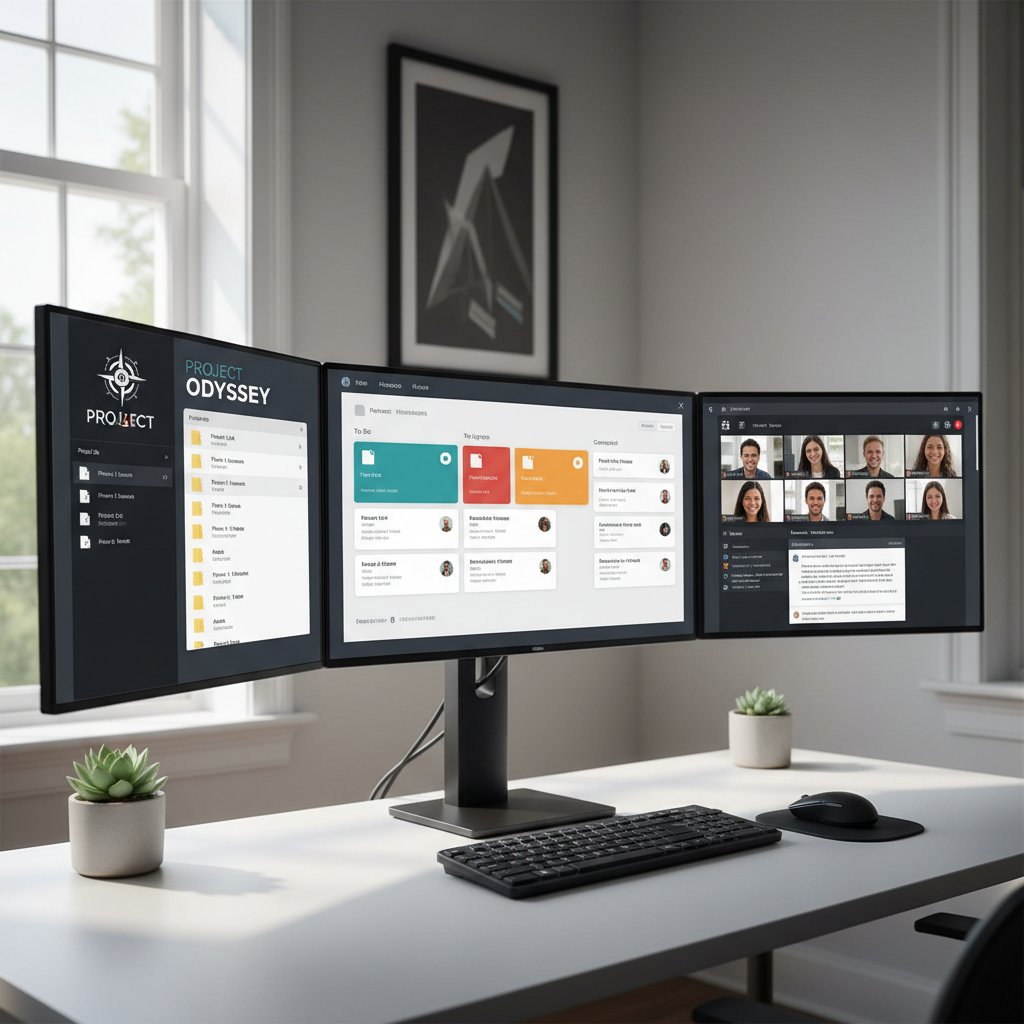
This evolution means that hiring managers and leaders must update their filters for what “organized” truly looks like—otherwise, they risk missing out on the hidden gems driving real results.
The psychology of organization: beyond the myth of the 'born organized' worker
The myth goes like this: some people are simply born organized, and the rest of us just muddle through, right? That’s self-serving nonsense. According to research from the American Psychological Association (APA), organization is a set of learned behaviors, shaped by environment, feedback, and—most importantly—systemic cues from leadership.
"Organizational skills aren't genetic destiny. They're the product of clear expectations, consistent reinforcement, and workplace design that rewards clarity. Anyone can develop them given the right environment." — Dr. Linda Greer, Industrial-Organizational Psychologist, APA, 2023
In other words, companies that bemoan a lack of organized employees should ask tough questions about how their cultures, workflows, and incentives may be breeding the very chaos they resent. The most organized workers are forged, not found—but you need to know what to look for, and how to support it.
Debunking the myths: What organized really means today
Busting the top misconceptions about organized employees
Let’s torch a few sacred cows. Most enterprises still cling to outdated myths about what “organized” means:
-
Myth 1: Organized equals rigid
In reality, the best are agile—constantly refining systems, not mindlessly clinging to last year’s process. -
Myth 2: Only top performers are organized
Some high performers fly by the seat of their pants and create chaos for others. True organization is often found in unsung roles. -
Myth 3: You can spot organization from a tidy desk
Digital clutter is the new enemy. A clean workspace is meaningless if their inbox is a nuclear wasteland. -
Myth 4: Organization stifles creativity
Research shows structure actually frees up mental space for creative work, but only if it’s adaptive, not oppressive. -
Myth 5: Organization is fixed
It’s a skill, not a trait. People can and do improve—if given the right tools, feedback, and incentives.

Clinging to these myths costs enterprises dearly. The modern “organized employee” often contradicts assumptions built for the paper-pushing era.
Why over-organization can be a silent killer of creativity
What’s the flip side? Over-organization. In some workplaces, the pendulum swings so far towards process that innovation suffocates. When every action requires a form, a sign-off, or a spreadsheet, the cost isn’t just boredom—it’s lost opportunity.
"There’s an optimal level of structure. Go too far, and your best people spend more energy coloring inside the lines than drawing the next blueprint." — Dr. Marcus Lee, Organizational Design Expert, Harvard Business Review, 2023
True organizational skill means knowing when to bend the rules, break the template, or ship the imperfect solution. If your organization prizes process above outcomes, you’re probably bleeding creative talent—and don’t even realize it.
Adaptive organization: The new gold standard
So what separates the truly organized from the merely “busy”? Adaptivity. The gold standard is no longer how well someone follows a plan, but how quickly they can re-plan when reality changes. Here’s how to spot them:
- They proactively communicate status and risks before disaster hits.
- They maintain multiple systems (digital, analog, collaborative) and switch between them seamlessly.
- They leave a digital trail that makes it easy for others to jump in if needed.
- They have a consistent method for prioritizing, even under stress.
- They seek feedback and tweak habits regularly, not reactively.
Adaptivity isn’t soft. It’s what allows organized employees to thrive in the relentless volatility of enterprise life in 2025.
The anatomy of an organized employee: Traits, habits, and hidden signs
Surprising traits of truly organized workers
Forget the stereotypes—true organization often looks nothing like what you imagine. Here are the traits that consistently show up in top organized employees, according to research from Gallup and TalentLMS (2024):
- Pattern recognition: They’re wizards at spotting repeat issues and quietly engineering fixes.
- Context-switching mastery: They can shift between projects without losing their thread.
- Radical transparency: They share progress, blockers, and next steps without ego or spin.
- Selective perfectionism: They know when details matter and when “good enough” will do.
- Knowledge hoarding aversion: They document processes and make info accessible—not siloed.

It’s not about color-coded binders. It’s about impact—making teams faster, smarter, and more resilient.
Habits that set top performers apart (with real examples)
Want to spot your next organized star? Look for these habits in the wild:
- Daily review and reset: Top performers start and end each day with intentional review—checking progress, resetting priorities, and prepping for tomorrow.
- Inbox zero (or close enough): Their digital communication is managed, not ignored. They batch emails, use smart filters, and know what’s urgent versus noise.
- Task triage: They ruthlessly sort tasks by deadlines, dependencies, and impact—not just what’s loudest or most recent.
- Visible workflows: They use Kanban boards, shared docs, and status updates to keep everyone aligned (and accountable).
- Systematic follow-ups: They set reminders, schedule check-ins, and always close the loop.
"I used to think being organized was about rigid planning. Now I see it’s about setting up feedback loops and surfacing information so no one ever has to guess where things stand." — Alex Rivera, Project Manager, TalentLMS, 2024
Hidden red flags: When 'organized' is just for show
Not all “organized” employees are what they seem. Sometimes, impressive surface order masks deeper dysfunction. Watch for:
- Micromanagement: Obsessively tracking others’ tasks instead of trusting the process.
- Over-documentation: Drowning the team in redundant templates and checklists.
- Inflexibility: Refusing to adapt systems when they’re clearly broken.
- Lack of delegation: Hoarding tasks to “ensure quality” rather than empowering teammates.
Surface organization can be a smoke screen for deeper problems—burnout, mistrust, or simple insecurity. True organization always produces measurable results for the team, not just the individual.
How to find organized employees: Step-by-step for 2025
Building a profile: What to look for and what to ignore
To reliably find organized employee talent, you need a cutting-edge profile—one that looks past superficial cues and zeroes in on behaviors that matter.
The ability to create, refine, and abandon systems based on shifting priorities. Look for evidence of process evolution, not just adherence.
Regular, proactive communication of progress and setbacks. Check for digital paper trails and shared docs.
Past work in cross-functional teams where alignment was critical. Ask about how they kept others in sync.
Examples of thriving (not just surviving) during periods of workload spikes, ambiguity, or rapid change.
Tidy desks, “Type A” labels, and vague resume claims (“organized self-starter”) without demonstrable substance.
By focusing on these criteria, you’ll cut through posturing and find the real deal.
Interview questions and practical tests that actually work
Talking about organization is one thing; demonstrating it is another. Here’s how to separate contenders from pretenders:
-
“Describe a time when your organizational system failed. What did you do next?”
Look for humility, real-world examples, and concrete lessons learned. -
“How do you prioritize when everything is urgent?”
The best will talk through frameworks (Eisenhower matrix, time blocking) and give specific, recent examples. -
Practical exercise:
Present a messy email thread or project brief. Ask the candidate to extract key tasks, assign priorities, and devise a follow-up plan—in 15 minutes.

-
“How do you ensure your team stays aligned on shifting priorities?”
Listen for stories about communication mechanisms (standups, shared dashboards, etc.). -
“What’s one tool or habit you’ve abandoned because it didn’t scale?”
Reveals capacity for self-improvement and flexibility.
These questions move beyond platitudes and get to the muscle memory of true organizational skill.
Leveraging data and AI—without losing the human touch
AI is everywhere, and 74% of organizations now use it in their workflow (FinancesOnline, 2024). But beware: algorithmic filters alone can’t spot deep organizational talent. The key is balance—using data as a force multiplier, not a crutch.
| Use Case | AI Advantage | Human Judgment Still Needed |
|---|---|---|
| Resume parsing | Flags for workflow terms | Context of experience, real impact |
| Inbox/task analysis | Volume, frequency | Quality of follow-up, nuance |
| Collaboration patterns | Networks, bottlenecks | Underlying reasons for behavior changes |
Table 2: How AI and human insight combine to find organized employees. Source: Original analysis based on [FinancesOnline, 2024], [Gallup, 2024]
Ultimately, the smartest organizations use AI to surface patterns—and then let managers validate through conversation, observation, and contextual testing. This hybrid approach reduces bias and uncovers the hidden gems that algorithms alone would miss.
Case studies: When finding the right organized employee changed everything
Tech startup: Turning chaos into rocket fuel
In 2023, a 40-person SaaS startup was hemorrhaging clients due to missed deadlines and constant “urgent” pivots. The turning point? They promoted a product manager who quietly had been running high-visibility war rooms, documenting key decisions in real time, and providing crisp weekly recaps for execs. Within three months, project delivery times improved by 25%, and client churn dropped by 18%.
The lesson: scalable organization isn’t glamorous, but it’s the backbone of sustainable growth. The most organized employee isn’t always the loudest—they’re often the ones building invisible scaffolding that keeps everything from collapsing.

Manufacturing: The quiet operator who saved millions
A mid-sized manufacturer faced recurring breakdowns in its just-in-time supply chain. Enter an operations analyst who, over six months, mapped bottlenecks, standardized status updates, and instituted a “five-minute rule” for flagging issues on the floor.
"We didn’t realize how much money we were losing to confusion. Once we had a system for surfacing problems instantly, our downtime shrank by a full third." — Operations Director, Work Design Magazine, 2023
The bottom line: “organized” isn’t just a personality trait—it’s a competitive weapon.
Remote workforce: The hidden backbone of distributed teams
Dispersed teams are the new normal, with only 20% of remote-capable roles now fully on-site (Gallup, 2024). In one global consulting firm, the highest-performing remote team wasn’t led by the flashiest hustler, but by a project coordinator renowned for ruthless documentation, shared task trackers, and real-time digital whiteboards.
| Team Type | Avg. Project Completion Time | Client Satisfaction | Churn Rate |
|---|---|---|---|
| Unstructured | 11 weeks | 72% | 14% |
| Semi-structured | 8.5 weeks | 86% | 7% |
| Highly organized | 6 weeks | 93% | 3% |
Table 3: Impact of organization on remote team outcomes, based on recent enterprise case studies. Source: Original analysis based on [Gallup, 2024], [TalentLMS, 2024]
Organization is the glue holding the seams of distributed work together—a hidden but irreplaceable advantage.
The dark side: When 'organization' backfires
Paralysis by process: How too much order kills momentum
Bureaucratic overload is real. Many enterprises with the best intentions have stumbled into process quicksand:
- Endless approvals: Projects stall out in sign-off purgatory.
- Documentation bloat: Teams spend more time updating trackers than doing work.
- Zero risk tolerance: Fear of deviating from process stifles experimentation and learning.
- Talent drain: High performers flee overly rigid environments.
The result? Innovation dies a slow, quiet death. The challenge is to maintain just enough structure to enable speed—without strangling it.
Balance is everything: too little order breeds chaos, but too much breeds stagnation.
Bias in identifying organized employees—and how to fight it
Like it or not, most hiring managers bring unconscious bias to their search for organized talent. They overvalue familiar styles (extroversion, verbal agility), overlook neurodiversity, or conflate “organized” with “just like me.”
The danger: you miss out on unconventional but highly effective contributors.
Affinity bias—Mistaking similarity for competence.
Confirmation bias—Fixating on visible cues (tidy desk, punctual emails) while ignoring deeper evidence.
Process bias—Assuming only one approach to organization works.
To fight bias, use structured interviews, practical tests, and—critically—diverse evaluation panels.
The overlooked creative edge of 'messy' workers
There’s a reason not every innovator is a neat freak. The so-called “messy” employee often brings a kind of lateral, disruptive thinking that hyper-organization can stifle.
"Creativity and messiness are often cousins. Some of our boldest breakthroughs have come from people whose desks looked like disasters but whose minds connected the unconnected." — Chief Innovation Officer, Work Design Magazine, 2023
- Messy doesn’t mean disorganized—it can mean non-linear information processing.
- Over-structuring can drive out contrarian, high-potential contributors.
- The best teams blend organized anchors with creative disruptors.
Enterprises must learn to value both the order-bringers and the creative chaos agents.
Tools and frameworks: From checklists to next-gen AI coworkers
Essential checklists for spotting and supporting organized employees
Checklists work—if you use them right. Here’s what top managers look for:
- Evidence of adaptive systems (not just rigid routines)
- Clear, digital documentation—accessible to all
- Consistent priority setting and communication habits
- Records of process evolution and lessons learned
- Collaboration tools usage (shared docs, boards, trackers)
- Ability to explain their workflow to others
- Proactive identification and escalation of risks

Apply these checks in interviews, performance reviews, and 360° feedback sessions for best results.
AI teammates: How Intelligent enterprise teammate and futurecoworker.ai are changing the game
AI-powered tools like Intelligent enterprise teammate and platforms such as futurecoworker.ai have redefined how enterprises find and enable organized employees. No longer just passive systems, these solutions actively scan emails, surface tasks, and help teams spot bottlenecks before they erupt.
The impact is profound:
- Teams spend less time hunting info and more time executing.
- Task handoff and follow-through improve—no more “lost in the email void.”
- Managers can track not just output, but process health and collaboration patterns.
Many leading enterprises now deploy tools like futurecoworker.ai to identify not only who is organized, but how workflows can be designed to make everyone more so.
| Feature | Traditional Tools | Intelligent enterprise teammate/futurecoworker.ai |
|---|---|---|
| Manual tracking | Required | Automated via AI |
| Task assignment | Separate platforms | Directly from email and collaboration threads |
| Real-time insights | Limited/lagging | Instantaneous, actionable |
| Bias mitigation | Low | Patterns visible to all, reducing subjective bias |
Table 4: Comparing old vs. new generation organization tools. Source: Original analysis based on [FinancesOnline, 2024], [Work Design Magazine, 2023]
Choosing the right tool: A brutally honest comparison
Not all organization tools are created equal. Here’s a candid breakdown of what matters:
| Criteria | Legacy Solutions | Modern AI Platforms (e.g., futurecoworker.ai) | Standalone PM Apps |
|---|---|---|---|
| Ease of use | Often complex | Seamless, email-native | Moderate |
| Automation depth | Low | High (tasks, meetings, reminders) | Medium |
| Collaboration | Fragmented | Centrally organized | Siloed |
| Integration | Limited | Deep (email, IM, calendar) | Varies |
| Bias reduction | Minimal | Workflow-based, transparent | Variable |
Table 5: Organization tool comparison for enterprises. Source: Original analysis based on [FinancesOnline, 2024], [TalentLMS, 2024]
Bottom line: the right tool removes friction, amplifies visibility, and adapts to how your people really work—without requiring a PhD in process engineering.
Beyond the obvious: Unconventional ways to find and empower organized employees
Cross-industry lessons: What creatives, logisticians, and engineers get right
There’s no monopoly on organizational genius. Some of the sharpest lessons come from outside your bubble:
- Creative studios: Use “scrum walls” and daily standups to keep wild ideas grounded without crushing spontaneity.
- Logistics firms: Rely on visible, real-time dashboards and rigorous escalation triggers.
- Engineers: Default to “document as you go” and treat process failures as learning opportunities.
- Healthcare teams: Leverage checklists and huddles to maintain clarity despite unpredictable chaos.

Borrow liberally. The best habits are transferable across professions.
Organized employees in remote, hybrid, and global teams
As hybrid and remote work becomes the default, finding and supporting organized employees takes on new urgency.
- Establish digital documentation norms—everything important should have a “source of truth” accessible asynchronously.
- Clarify handoffs and deadlines in writing—reduce ambiguity for distributed teams.
- Promote “working out loud”—regular status updates, shared progress boards, transparent blockers.
- Run regular retrospectives—create space to tune processes for evolving team needs.
- Invest in robust onboarding—help new hires internalize organizational expectations quickly.
Structured habits beat heroic effort, especially when time zones and cultures collide.
Building these habits at the team level raises everyone’s organizational baseline.
How to nurture (not stifle) hidden organizational talent
Organizational talent can wither if not recognized and supported. Here’s how to bring it to the surface:
- Spot and celebrate small wins—catch people doing the right thing and give them a platform.
- Offer coaching, not control—help employees iterate on their systems without dictating every detail.
- Resource for development—provide access to tools and training, not just platitudes.
- Encourage cross-team sharing—let high performers teach others (lunch-and-learns, peer mentoring).
"The best leaders aren’t obsessed with enforcing order—they’re architects of environments where organization flourishes naturally." — Industry expert, based on [Work Design Magazine, 2023]
Empower, don’t micromanage. Your next wave of organized talent is already in your ranks, waiting for the chance to show what they can do.
The future of organization: Trends, controversies, and what’s next
Will AI ever truly understand the organized human mind?
AI excels at surfacing patterns and optimizing workflows—but can it really “get” what makes a human organized?
"AI can spot digital trails and flag bottlenecks, but it can’t yet read the subtext of why people choose certain systems—or when intuition trumps process." — Dr. Emily Han, Human Factors Researcher, FinancesOnline, 2024
The consensus among experts: AI is an amplifier, not a replacement. The most organized employees blend machine precision with the kind of improvisational, context-aware thinking machines can’t yet replicate.
Ultimately, technology is a tool. The real edge lies in teams who can adapt, learn, and outthink both chaos and competitors.
Organization as a diversity and inclusion issue
Here’s a truth most enterprises miss: what “organized” looks like is deeply shaped by culture, neurodiversity, and background. Overly rigid definitions can inadvertently penalize valuable contributors.
| Factor | Traditional View | Inclusive Approach |
|---|---|---|
| Communication style | Verbal, extroverted | Written, visual, asynchronous |
| Planning method | Linear, calendar-based | Modular, event-triggered |
| Feedback loops | Formal, hierarchical | Peer-led, distributed |
Table 6: Rethinking organization skills for true inclusion. Source: Original analysis based on [Gallup, 2024], [APA, 2023]
True organization-first cultures don’t just tolerate different approaches—they design for them.
Embracing a broader definition of organization makes enterprises stronger, more resilient, and more innovative.
Your next steps: Building an organization-first culture
Ready to overhaul your approach? Start here:
- Audit your current state—survey teams, analyze where chaos costs you most.
- Update your hiring and promotion criteria—prioritize adaptive, evidence-based organization skills.
- Invest in tools that support (not dictate) best practices—think futurecoworker.ai, not more spreadsheets.
- Celebrate process evolution, not just outcomes—reward those who make the system better.
- Build cross-functional “organization champions”—let great habits spread organically.
Culture change is a marathon, not a sprint. But the ROI on finding and supporting organized employees is undeniable—and, in 2025, non-negotiable.
Supplementary: Common mistakes and how to avoid them
Top 7 ways managers misjudge organization skills
- Confusing busyness for productivity—the busiest person isn’t always the most organized.
- Relying on gut feel—unstructured interviews miss critical cues.
- Ignoring digital footprints—modern organization is visible in collaboration histories, not just visible workspace.
- Undervaluing process evolution—rewarding rule-followers over rule-improvers.
- Mistaking extroversion for coordination—introverts often excel at silent, systemic order.
- Overlooking hidden contributors—those who quietly keep teams aligned without fanfare.
- Failing to provide tools and support—expecting superhuman organization without infrastructure.
Red flags: When a resume screams 'disorganized'
- Vague descriptions of responsibilities (“handled many tasks”).
- Frequent job changes with no clear progression.
- Lack of specifics on systems, tools, or process improvements.
- Overuse of buzzwords without evidence (“detail-oriented”…and nothing else).
- Gaps in employment with thin explanations.
- No mention of digital collaboration or project management tools.
- Typos and formatting errors in the resume itself.
A resume should be a roadmap, not a mystery. Read between the lines and dig for substance.
Supplementary: Definitions and jargon decoded
What does 'organized' mean in 2025? A glossary for the confused
The skill of flexing systems and routines to fit changing business realities, rather than sticking to fixed habits.
The practice of maintaining clean, structured digital environments (inbox, folders, calendars) that enable fast retrieval and collaboration.
The visible pattern of sharing, updating, and aligning with others across digital platforms.
Ongoing refinement of workflows, with a bias for continuous improvement and learning from failure.
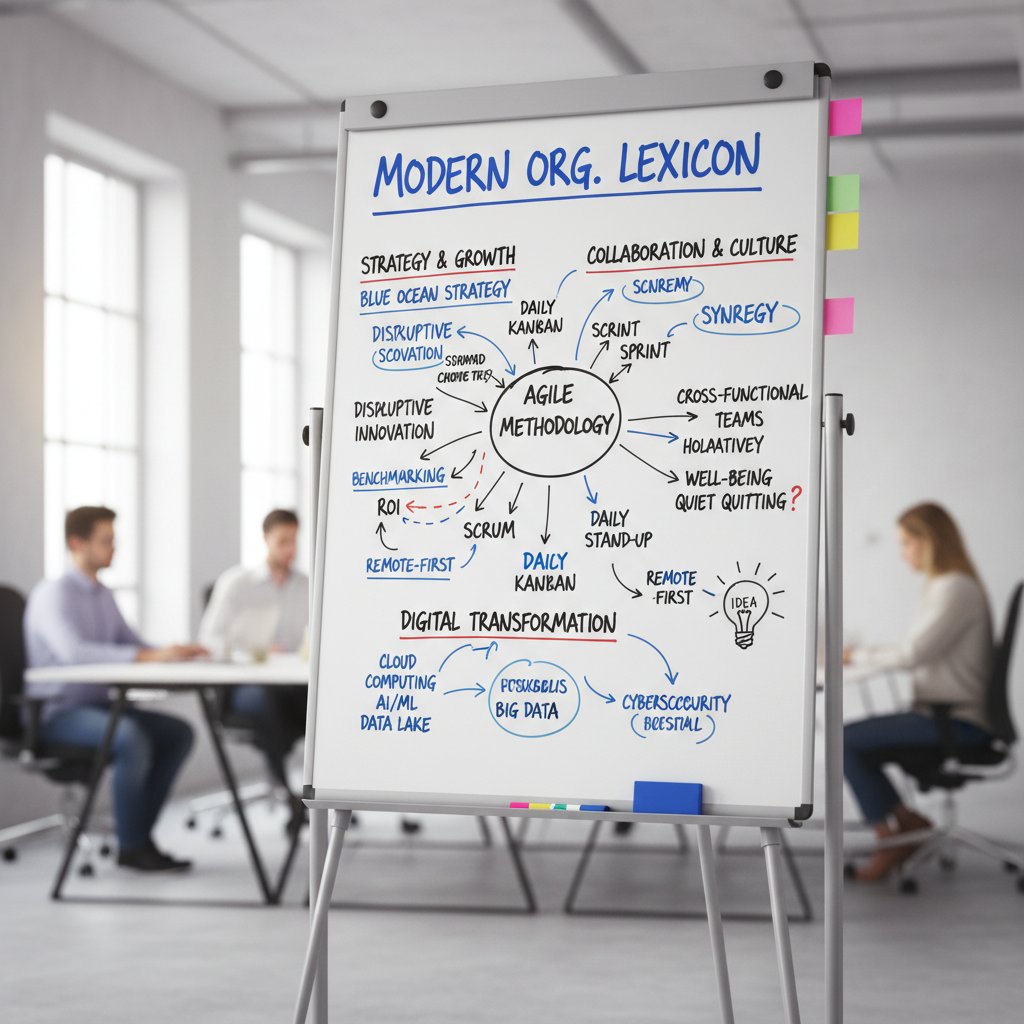
Supplementary: The ripple effect—How finding organized employees impacts everything
From onboarding to promotion: The life cycle of organizational impact
- Faster onboarding—new hires get up to speed quickly with clear processes.
- Seamless cross-team collaboration—reduced friction and rework.
- Higher engagement—employees know what’s expected and how to succeed.
- Consistent performance—less variability, fewer surprises.
- Leadership pipeline—organized employees build systems that outlast them.
| Stage | Organizational Impact | Typical Outcome |
|---|---|---|
| Onboarding | Clear processes, resources | Faster ramp-up, lower turnover |
| Daily work | Transparent coordination | Fewer mistakes, more accountability |
| Crisis | Stress-tested systems | Resilience, calm under fire |
| Promotion | Visible, scalable habits | Systemic improvements, higher potential |
Table 7: How organization skills affect every career stage. Source: Original analysis based on [Gallup, 2024], [Work Design Magazine, 2023]
Organized employees and the bottom line: The data
Organized employees aren’t just nice to have—they’re profit drivers.
| Metric | Disorganized Teams | Organized Teams |
|---|---|---|
| Engagement score | 19% | 34% |
| Project success | 56% | 89% |
| Churn rate | 18% | 6% |
| Client NPS | 57 | 79 |
Table 8: Quantified business benefits of organized employees. Source: Original analysis based on [Gallup, 2024], [TalentLMS, 2024]
Teams with a high density of organized talent outperform on every meaningful metric. The choice is clear.
Conclusion: The uncomfortable truth (and your call to action)
Synthesis: What you need to remember about finding organized employees
- Disorganization is a hidden productivity tax—ignore it at your peril.
- The definition of “organized” has evolved—adapt or get left behind.
- True organization is a blend of adaptive systems, transparency, and collaboration.
- AI and data are force multipliers, but not replacements for human judgment.
- Organized employees quietly power everything—from onboarding to innovation.
- You can’t fake organization. Results, not rituals, are what matter.
- Building an organization-first culture is the only sustainable edge in 2025.
Finding organized employee talent isn’t a checkbox—it’s a competitive imperative.
Where do we go from here?
Look around your team. Who’s quietly keeping chaos at bay? Who’s making it easier for others to do their best work? Start there. Invest in tools and training. Celebrate those who build systems, not just those who chase the next fire. And if you’re serious about leveling up, platforms like futurecoworker.ai can help you spot and empower your next organized star—before someone else does.
The brutal truth is this: in the war for enterprise productivity, organized employees are your special forces. Choose wisely, support relentlessly, and watch your organization transform from the inside out.
Sources
References cited in this article
- Work Design Magazine(workdesign.com)
- Gallup Workplace Trends 2024(gallup.com)
- Mercer 2023-2024 Study(mercer.com)
- IJRISS, 2025(rsisinternational.org)
- AIHR(aihr.com)
- ResearchGate(researchgate.net)
- Oxford Academic(academic.oup.com)
- Medium(medium.com)
- McKinsey State of Organizations 2023(mckinsey.com)
- Forbes(forbes.com)
- Medium(medium.com)
- TeamStage(teamstage.io)
- Forbes(forbes.com)
- The Bliss Podcast(theblisspodcast.com)
- People Managing People(peoplemanagingpeople.com)
- AIHR(aihr.com)
- Indeed(indeed.com)
- Engagedly AI in HRM 2024(engagedly.com)
- McKinsey AI report(mckinsey.com)
- Scavify(scavify.com)
- World Manufacturing Report 2024(worldmanufacturing.org)
- DeviceAtlas(deviceatlas.com)
- LEAP(onegiantleap.com)
- SmartIndustry(smartindustry.com)
- Forbes(forbes.com)
- Phys.org(phys.org)
- Wrike(wrike.com)
- Cascade Strategy(cascade.app)
- Mooncamp(mooncamp.com)
- KPMG 2025 Intelligent Tech Enterprise(assets.kpmg.com)
- Deloitte State of Generative AI 2024(www2.deloitte.com)
- World Economic Forum(weforum.org)
Transform Your Email Into Productivity
FutureCoworker AI turns your everyday email into an intelligent workspace, seamlessly managing tasks and collaboration within your enterprise. It eliminates the complexity of AI, allowing you to benefit from advanced technology without any technical knowledge. Achieve productivity, streamline processes, and improve team efficiency through natural email interaction, getting tasks done faster and smarter.
Get startedReady to Transform Your Email?
Start automating your tasks and boost productivity today
Frequently Asked Questions
What percentage of U.S. employees are currently engaged at work according to the article?
According to Gallup data (2024) cited in the article, only 31% of U.S. employees are engaged at work, which represents a historic low.
How much time does the average knowledge worker lose to disorganization-related activities?
According to Work Design Magazine (2023), the average knowledge worker loses nearly 30% of their time to searching for information, correcting mistakes, or clarifying misunderstood communications.
What is the annual cost per employee for time spent searching for information?
According to the article's table on hidden costs of disorganization, the annual cost per employee for time spent searching for information is $4,500, which totals $2.7M per 600-person company.
What percentage of workers strongly trust their leadership in 2025?
According to Gallup (2024) data cited in the article, only 23% of workers strongly trust their leadership.
Why has the definition of 'organized' employee shifted according to the article?
The article states that the 'organized' label has shifted dramatically thanks to AI, hybrid work, and the brutal truths of the modern workplace.
Continue Reading
Keep exploring Intelligent enterprise teammate

What Organized Employees Do Differently to Protect Productivity
Organized employees spend less time searching for information. This article examines how workplace disorganization costs productivity, and the strategies that create sustainable order.

Why the Organized Employee Myth Fails in Modern Workplaces
Need organized employee? This article examines why traditional hiring approaches fail and what modern workplaces actually require from their teams.

Workplace Organization: Why It Matters Beyond Tidiness
Workplace organization affects productivity and employee well-being. This article examines the true costs of disorganization, the limits of current tools, and evidence-based strategies.

What Organized Professionals Actually Do Differently
This article examines nine research-backed truths about becoming an organized professional, from debunking myths about innate talent to leveraging modern tools for productivity.

Organizing Workplace Chaos: Costs, Psychology, and Solutions
This article explains how to organize workplace chaos, covering hidden costs of disorganization, psychological impacts, and 11 actionable strategies for workplace focus.

Organized Staff: Why Workplace Chaos Costs More Than Leaders Admit
Organized staff reduces costly workplace chaos and improves team performance. This article explains the hidden costs of disorganization and research-backed strategies for high-performing teams.


