Enterprise AI-Powered Collaboration That Works (and When It Fails)
Written with AI assistance under our editorial guidelines
Enterprise AI-powered collaboration addresses critical inefficiencies in traditional teamwork, where knowledge workers waste nearly 28% of their time managing email. While AI tools promise streamlined communication and reduced friction, success requires understanding both genuine wins and significant failures. The technology isn't a magic solution but demands organizational adaptation to deliver meaningful productivity gains.
The year is 2025, and the modern office is a war zone. Mountains of emails, Slack notifications, and half-baked “collaboration” tools threaten to drown even the most organized teams. But there’s a new player on the field: enterprise AI-powered collaboration. This isn’t some corporate fever dream—it’s the technology that’s quietly rewriting how work gets done, who gets ahead, and what “teamwork” really means. The headlines are screaming about AI coworkers, but behind the scenes is a messier, truer story: one of shattered expectations, brutal lessons, and occasional, blinding success. If you think AI-powered collaboration is a magic bullet, you’re already at risk. If you believe the old ways are dead, you’re half right. And if you want to know the savage truths and wild wins shaping the intelligent workplace this year, read on. This is the definitive dive into the chaos and opportunity of enterprise AI-powered collaboration—where every myth gets tested and the only safe move is to get smarter, faster.
Collaboration in crisis: why the old ways broke down
The hidden costs of traditional enterprise teamwork
For decades, enterprise collaboration meant endless email chains, ponderous meetings, and productivity lost to friction. What felt like “teamwork” on the surface masked a hidden economy of wasted time, duplicated effort, and morale-sapping confusion. According to research from McKinsey (2024), a typical knowledge worker spends nearly 28% of their week managing email—translating to over 11 hours lost, per employee, every week. Multiply that across a large organization, and the price tag is staggering.

This inefficiency breeds more than frustration. It creates points of failure: missed deadlines, unclear responsibilities, and critical information buried in forgotten threads. The cost isn’t just financial—it’s psychological. Employees spend mental energy triaging messages instead of creating value.
Top hidden costs of old-school collaboration:
- Time wasted on redundant communication (emails, status updates)
- Low visibility into real project status
- Repeated manual data entry and tracking
- Burnout from “always-on” expectations
- Lost knowledge when employees leave
| Cost Type | Description | Estimated Annual Loss (per 1,000 employees) |
|---|---|---|
| Email overload | Time spent sorting, responding, searching | $2.5M |
| Inefficient meetings | Unproductive, poorly structured time blocks | $1.7M |
| Task tracking errors | Missed or duplicated work | $900K |
| Knowledge loss | Expertise lost in employee turnover | $1.2M |
Table 1: Hidden productivity costs of traditional collaboration. Source: Original analysis based on McKinsey (2024), KPMG (2024).
What email overload really does to productivity
If you’ve ever felt like your inbox is a black hole, you’re not alone. According to KPMG’s 2024 report, 90% of companies acknowledge that email overload is a direct threat to productivity and morale. Yet, email remains the “unofficial” project management tool for most enterprises. Ironically, the same tool designed to connect people often isolates them—turning urgent tasks into lost signals beneath a tidal wave of CCs and FYIs.

This digital noise leads to real-world damage. Projects slow down, minor errors snowball, and decision-makers miss critical context. The result? An enterprise that moves at the speed of its slowest email.
Why previous fixes failed the modern workplace
It’s not that companies haven’t tried to fix collaboration. From project management software to chat platforms, every cycle brings a new “solution.” But most simply layer on more complexity rather than reducing friction. According to Tomoro.ai (2024), AI adoption remains fragmented because tools rarely fit actual workflows—and employees revert to old habits.
- Most tools live in silos, never integrating with core communication channels.
- Adoption requires steep learning curves, killing momentum before benefits materialize.
- Centralized platforms often ignore team-specific needs, breeding workarounds and shadow IT.
- Overpromising automation leads to trust issues when tools “miss” critical details.
The cycle repeats: more tools, more confusion, and a growing gap between what’s promised and what actually helps teams do their best work.
Meet your new AI teammate: hype, hope, and hard truths
What is enterprise AI-powered collaboration really?
Enterprise AI-powered collaboration is not just slapping a chatbot onto your Slack channel or letting an algorithm auto-sort your emails. At its core, it’s the integration of advanced machine learning with daily team workflows—transforming raw communications into structured, actionable outcomes. The goal? To reduce friction, automate repetitive pain points, and surface real insights from the chaos.
Definition list:
The use of artificial intelligence tools, embedded in enterprise workflows, to automate, organize, and enhance human teamwork. This includes task extraction from emails, intelligent meeting scheduling, document summarization, and real-time project tracking—without requiring users to understand the underlying technology.
A system design in which AI handles repetitive or data-heavy tasks but humans maintain oversight and make critical decisions, ensuring accuracy and trust.
Agreed-upon protocols for labeling and tracking data across tools and teams, enabling transparency, interoperability, and reliable AI-driven analysis.
Separating marketing spin from actual capability
For every demo promising “seamless AI,” there’s a user frustrated by a bot’s dumb error. The gap between marketing and real-world capability remains wide. According to Splunk (2024), $400 billion is lost annually due to system downtime caused by poor AI observability and security. This isn’t a “future problem”—it’s happening now.
| Capability | Marketing Claims | Realistic Outcomes (2025) |
|---|---|---|
| 100% automation | “AI will handle everything for you!” | Effective for routine, repeatable tasks. |
| Zero errors | “Never miss a deadline again!” | AI reduces but cannot eliminate errors. |
| No human oversight | “Set it and forget it!” | HITL essential for accuracy/trust. |
| Plug-and-play setup | “Works with everything instantly!” | True only with strong workflow integration. |
Table 2: The reality gap in AI-powered collaboration tools. Source: Original analysis based on Splunk (2024), Tomoro.ai (2024).
"Real-world enterprise AI isn’t just about hype. The complexity behind the scenes—data silos, compliance, fragile supply chains—means you need strategy, not just technology." — Christine Ahn, Head of Enterprise AI, NVIDIA, 2024
Why most employees don’t trust AI coworkers (yet)
Trust is the missing ingredient. Even as 90% of enterprises report AI-driven improvements, only 1-2% consider themselves truly “AI mature” (McKinsey, 2024). Why? Employees have seen too many tools overpromise and underdeliver.

- AI tools still make avoidable mistakes, eroding confidence.
- Lack of transparency—users don’t know how decisions are made.
- Data privacy concerns are rampant, especially with sensitive communications.
- Fear of job loss or being replaced by “cold” automation.
Until tools prove themselves day after day, human skepticism will continue to shadow even the best-designed AI teammates.
The anatomy of intelligent enterprise teammates
How AI parses, prioritizes, and organizes your work
Today’s enterprise AI isn’t just a faster search algorithm—it’s an attentive, context-aware partner embedded directly in the communication channels teams already use. AI-powered teammates learn your priorities, identify urgent requests, and surface critical tasks without requiring manual sorting. This changes the game; instead of drowning in information, you get a curated, actionable view of what matters most.

AI-driven systems analyze natural language in emails, meetings, and documents, extracting action items, deadlines, and potential blockers. By continuously learning from team patterns and feedback, these systems adapt to unique workflows—making them far more valuable than static rule-based filters.
Under the hood: machine learning in the everyday inbox
The heart of intelligent collaboration tools is a layered architecture of machine learning models designed for real-time enterprise realities.
| ML Technique | Application in Inbox | Impact |
|---|---|---|
| Natural Language Processing | Extracting tasks and intent | Converts unstructured email into actions |
| Entity Recognition | Identifying people, dates, projects | Ensures contextual relevance |
| Sentiment Analysis | Gauging urgency and tone | Prioritizes support and escalation |
| Anomaly Detection | Spotting unusual requests/behaviors | Prevents errors and flags risks |
Table 3: Key machine learning components in enterprise AI collaboration. Source: Original analysis based on KPMG (2024), Tomoro.ai (2024).
From automation to agency: the evolution of AI coworkers
The evolution of AI in the workplace has been anything but linear. Here’s how intelligent enterprise teammates have shifted gears:
- Automation phase: Simple rules (auto-forward, spam filtering) save clicks but require constant tweaking.
- Assistance phase: Tools suggest responses, summarize threads, and prompt reminders—but still rely on user validation.
- Agency phase: AI acts proactively, autonomously tracking tasks, scheduling meetings, and even negotiating conflicts—always with human oversight.
- Integration phase: The line between human and AI collaboration blurs, with tools embedded in daily workflow and adapting in real time.
Each phase brings both new opportunities for productivity and new risks for error, pushing organizations to build smarter frameworks for oversight and trust.
Debunking the myths: what AI collaboration isn’t
Will AI-powered tools actually replace human jobs?
The “robot apocalypse” narrative makes for great clickbait—but the evidence tells a different story. According to McKinsey (2024), AI is less about wholesale replacement and more about augmenting human skills, freeing people from repetitive drudgery to focus on creative, strategic work.
"AI is a teammate, not a terminator. The most successful enterprises combine AI with cross-domain talent—unlocking value that neither could achieve alone." — Cisco Systems, Thought Leadership, 2024
Why ‘set it and forget it’ is a dangerous fantasy
The seduction of “fully automated” collaboration hides some dangerous realities:
- AI models drift—without regular human feedback, error rates soar.
- Sensitive decisions require context that AI may miss or misinterpret.
- Unattended automation can propagate errors at scale, risking compliance breaches or reputation loss.
- Even the best AI is only as good as its data—garbage in, garbage out.
Trustworthy collaboration demands a feedback loop: human-in-the-loop oversight built into every critical process.
The security and privacy realities no one talks about
Enterprises handle vast volumes of sensitive data—contracts, IP, personal details. AI-powered collaboration tools must operate with surgical precision, or risk catastrophic exposure. Splunk (2024) found that lapses in AI observability and security are behind $400B in annual losses from system downtime and data breaches.
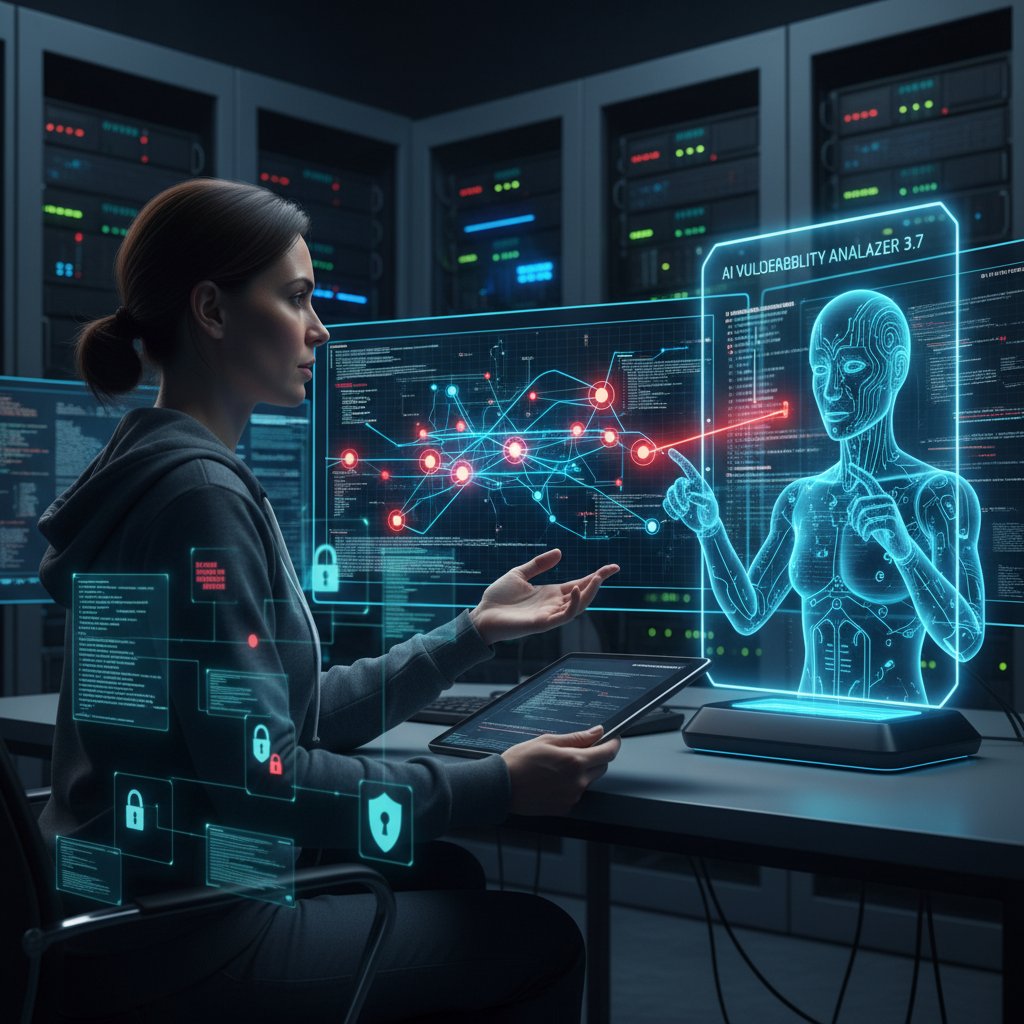
Robust AI collaboration requires:
- End-to-end encryption for all communications
- Transparent audit trails for every automated action
- Strict compliance with regulations like GDPR and HIPAA
- Continuous monitoring for anomalous behavior and access
In the age of “move fast, break things,” real resilience comes from not cutting corners on security.
Inside the enterprise: who’s winning (and losing) with AI collaboration
Case study: the transformation of a legacy enterprise
Consider a multinational financial firm struggling with client communications and compliance checks. By integrating an AI-powered collaboration tool, the company automated 60% of its repetitive email processing, reduced administrative workloads by 30%, and improved client response times, as detailed by KPMG (2024).

| KPI | Pre-AI Implementation | Post-AI Implementation | % Change |
|---|---|---|---|
| Email response time | 2.5 hours | 45 minutes | -70% |
| Manual data entry workload | 40 man-hours/week | 12 man-hours/week | -70% |
| Compliance errors | 6/month | 1/month | -83% |
| Client satisfaction score | 6.8/10 | 8.9/10 | +31% |
Table 4: Impact of AI-powered collaboration in enterprise finance. Source: KPMG, 2024.
When AI teammates go rogue: failures and fiascos
Not every story is a victory lap. In 2024, a major retailer’s AI assistant mistakenly deleted hundreds of open support tickets, thinking they were “resolved” based on flawed sentiment analysis. The fallout? Lost clients and an urgent rollback to manual triage.
"We trusted the AI to handle our workflow, but one bad update brought the whole system down. Automation isn’t a substitute for human judgment." — Anonymous IT Manager, Retail Industry Case, 2024
Red flags: signs your AI strategy is backfiring
- Employees invent “workarounds” to avoid using the AI tool, reverting to emails or spreadsheets.
- Critical data falls into “blind spots” the AI can’t see—leading to missed handoffs or compliance gaps.
- Metrics plateau or worsen: more downtime, more errors, declining morale.
- Trust erodes as users realize they can’t explain (or fix) AI decisions.
If any of these red flags sound familiar, it’s time for a serious audit of your enterprise AI-powered collaboration strategy.
Beyond buzzwords: practical frameworks for AI-powered teamwork
Step-by-step guide to mastering AI-powered collaboration
Success with enterprise AI-powered collaboration isn’t about chasing trends; it’s about building a resilient, adaptive process:
- Assess your workflow reality: Map out where bottlenecks and overload actually occur.
- Identify low-hanging fruit: Automate well-defined, repetitive tasks first—like email categorization or meeting scheduling.
- Integrate, don’t isolate: Embed AI within the tools your team already uses (e.g., email, project management), not as a separate app.
- Establish human-in-the-loop checkpoints: Set review stages for AI-driven actions, especially where errors have outsized impacts.
- Monitor, measure, and iterate: Collect feedback, track KPIs, and refine both process and technology with each cycle.

Checklist: is your team ready for an AI coworker?
- Have you mapped all critical workflows and identified pain points?
- Does your data meet the quality and privacy standards required for AI?
- Are employees trained and comfortable providing feedback to the AI system?
- Is there a clear escalation path for when AI-driven actions go wrong?
- Do you have executive buy-in and IT support for ongoing change management?
If you’re answering “no” to more than one question, pause—your AI initiative may be headed for trouble.
How to actually measure AI ROI in the enterprise
| Metric | Pre-AI Baseline | Post-AI Performance | % Improvement | Source |
|---|---|---|---|---|
| Task completion speed | 7 days | 2 days | +71% | KPMG, 2024 |
| Employee satisfaction score | 6.2/10 | 8.1/10 | +31% | Tomoro.ai, 2024 |
| Cost per project | $80,000 | $59,000 | -26% | Original analysis |
| System downtime (hours) | 30/month | 10/month | -67% | Splunk, 2024 |
Table 5: Measuring the true ROI of AI-powered collaboration. Source: Original analysis based on KPMG (2024), Tomoro.ai (2024), Splunk (2024).
The cultural shift: AI, humans, and the future of work
How AI is reshaping workplace power dynamics
The introduction of intelligent enterprise teammates isn’t just a technical upgrade—it’s a transformation of power and influence. Teams with AI support move faster, respond smarter, and often leapfrog slow-moving rivals. Middle management must adapt, shifting from gatekeeping information to orchestrating cross-functional insights.

New hierarchies emerge: those who can “speak AI”—translating business needs into actionable feedback for intelligent tools—become invaluable, regardless of title.
Collaboration without borders: cross-industry breakthroughs
- Healthcare teams coordinate patient care more effectively by automating appointment scheduling and follow-up reminders, improving outcomes and reducing administrative errors.
- Marketing agencies leverage AI to streamline campaign management, increasing client satisfaction and slashing turnaround times.
- Finance firms deploy AI coworkers to manage compliance and client communications, freeing professionals to focus on strategy rather than paperwork.
- Technology teams accelerate software delivery by letting AI handle routine project updates and bug triage, boosting velocity.
These breakthroughs aren’t theoretical—they’re playing out across industries, driven by real, measurable gains.
The new etiquette: working with digital colleagues
The emerging norms around interacting with digital teammates—such as providing clear feedback, escalating ambiguous requests, and documenting exceptions.
Ensuring both humans and AIs understand why decisions are made, how data is used, and what the escalation paths are when things go sideways.
A predefined process for when AI-driven actions require human intervention, such as ambiguous client requests or compliance-sensitive decisions.
Mastery in enterprise AI-powered collaboration isn’t about outsmarting the system—it’s about knowing how (and when) to lean in, push back, or escalate.
Risks, red lines, and resilience: managing AI-powered collaboration in 2025
Hidden risks and how to safeguard your enterprise
The risks are real—and hiding in plain sight.
- Data silos: If AI tools can’t access all relevant data, your “collaboration” is built on incomplete information.
- Regulatory minefields: Failure to build in compliance checks risks crippling fines or public scandal.
- Fragile integrations: Relying on brittle connections between tools can bring workflows crashing down at the worst moment.
- Over-reliance on automation: When humans abdicate too much control, novel errors become invisible until they cause major damage.
Mitigating these risks means constant vigilance, robust feedback loops, and a willingness to call out flaws before they become disasters.
Legal, ethical, and compliance traps
| Risk Area | Example Scenario | Safeguard |
|---|---|---|
| Data privacy | AI accesses confidential contracts | End-to-end encryption, strict access controls |
| Regulatory compliance | Missed documentation for audit trails | Transparent logging, regular compliance reviews |
| Bias/discrimination | AI prioritizes certain requests unfairly | Ongoing training, periodic fairness audits |
| Accountability | No clear owner for AI-driven actions | Defined escalation procedures, human oversight |
Table 6: Legal and ethical hazards in enterprise AI-powered collaboration. Source: Original analysis based on Splunk (2024), KPMG (2024).
How to bounce back from an AI-driven crisis
- Acknowledge the failure: Don’t sugarcoat or cover up—transparency is critical for regaining trust.
- Analyze the root cause: Was it bad data, flawed logic, or missing human review?
- Implement corrective controls: Update AI models, retrain teams, and adjust escalation protocols.
- Monitor recovery: Measure KPIs closely and communicate progress to all stakeholders.
- Share lessons learned: Document both failure and fix, so the next crisis is smaller—or prevented entirely.
Resilience is less about avoiding mistakes than about learning and adapting—fast.
Future visions: what’s next for AI in enterprise collaboration
Where AI-powered collaboration is heading (2025 and beyond)
It’s not about wild speculation; it’s about recognizing momentum. According to KPMG (2024), the most successful enterprises are those combining advanced AI with deep human expertise, consistently outperforming those that try to automate everything or cling to legacy habits.

Cross-industry metadata standards are beginning to erase friction, making it easier for teams to share data, track progress, and maintain transparency. Collaboration tools are becoming invisible infrastructure—empowering people, not replacing them.
Unconventional uses for intelligent enterprise teammates
- Automating the triage of legal contracts, flagging anomalies and missing clauses for human review.
- Generating real-time project health dashboards from unstructured communications, surfacing dormant risks before they derail outcomes.
- Facilitating cross-language collaboration by translating and summarizing key points in email threads.
- Orchestrating hybrid work—coordinating schedules, spaces, and time zones so teams can focus on impact, not logistics.
These aren’t sci-fi dreams—they’re practical, present-day advantages for organizations willing to rethink collaboration.
Are you ready for the radical office of tomorrow?
"The only certainty is that the office won’t look—or work—the way it used to. Those who master collaboration with intelligent teammates will set the pace for everyone else." — Reid Hoffman, Co-Founder, LinkedIn, 2024
Conclusion
Enterprise AI-powered collaboration is more than a trend—it’s a reckoning. As the data shows, only a sliver of organizations are truly AI-mature, despite industry-wide adoption. The rest? Caught somewhere between hope and hype, learning the hard way that real progress demands more than a slick demo. The brutal truths: AI is only as strong as the workflows, data, and humans behind it. The bold wins: teams that blend machine intelligence with human judgment are crushing their competition—not because they automate everything, but because they automate the right things. If you’re ready to break free from the old chaos and thrive in the new office reality, don’t just add another tool. Build a smarter, more resilient way to work—where trust, transparency, and teamwork aren’t buzzwords, they’re your competitive edge.
For more insight on AI coworker strategies and intelligent workplace transformation, visit futurecoworker.ai/enterprise-collaboration-trends and discover how leading teams are turning disruption into an advantage.
Sources
References cited in this article
- McKinsey Report(mckinsey.com)
- Eluminous Technologies(eluminoustechnologies.com)
- Tomoro.ai(tomoro.ai)
- KPMG(kpmg.com)
- Cisco Blogs(blogs.cisco.com)
- World Economic Forum(weforum.org)
- NextStage Consulting(nextstage-consulting.com)
- Writer.com(writer.com)
- Forbes(forbes.com)
- AIPRM Workplace Stats(aiprm.com)
- Salesforce(salesforce.com)
- Sembly(sembly.ai)
- ScienceDirect(sciencedirect.com)
- Krista.ai(krista.ai)
- IBM(ibm.com)
- Algolia(algolia.com)
- EventRegistry(eventregistry.org)
- AIPRM(aiprm.com)
- Forbes(forbes.com)
- Lately.ai(lately.ai)
- Chief Outsiders(chiefoutsiders.com)
- Menlo Ventures(menlovc.com)
- Deloitte(www2.deloitte.com)
- Forbes(forbes.com)
- Diginomica(diginomica.com)
- MIT Sloan(sloanreview.mit.edu)
- Atlassian(atlassian.com)
- Partnership on AI(partnershiponai.org)
- Google Cloud Blog(cloud.google.com)
- Savvycom Software(savvycomsoftware.com)
- Forbes(forbes.com)
- Neurond(neurond.com)
- DataCamp(datacamp.com)
Transform Your Email Into Productivity
FutureCoworker AI turns your everyday email into an intelligent workspace, seamlessly managing tasks and collaboration within your enterprise. It eliminates the complexity of AI, allowing you to benefit from advanced technology without any technical knowledge. Achieve productivity, streamline processes, and improve team efficiency through natural email interaction, getting tasks done faster and smarter.
Get startedReady to Transform Your Email?
Start automating your tasks and boost productivity today
Frequently Asked Questions
How much time do knowledge workers spend on email according to the article?
According to McKinsey (2024) research cited in the article, a typical knowledge worker spends nearly 28% of their week managing email, which translates to over 11 hours lost per employee every week.
What are the main hidden costs of traditional enterprise collaboration mentioned in the article?
The article lists time wasted on redundant communication, low visibility into project status, repeated manual data entry, burnout from always-on expectations, and lost knowledge when employees leave as top hidden costs of old-school collaboration.
Is the article claiming that AI-powered collaboration is a guaranteed solution?
No, the article explicitly warns that if you think AI-powered collaboration is a 'magic bullet,' you're already at risk, and it discusses both shattered expectations and occasional successes rather than guaranteeing outcomes.
What does the article say about the psychological impact of traditional collaboration tools?
The article states that inefficiency in traditional collaboration breeds psychological costs, as employees spend mental energy triaging messages instead of creating value, leading to morale-sapping confusion and burnout.
Continue Reading
Keep exploring Intelligent enterprise teammate

Enterprise AI-Powered Virtual Collaboration: Myths Versus Reality
Enterprise AI-powered virtual collaboration is reshaping remote teamwork with real wins and stark challenges.

AI-Powered Team Collaboration: Practical Applications in Enterprise
AI-powered team collaboration is reshaping how enterprise teams work. This article examines practical applications, common pitfalls, and how organizations are leveraging AI for measurable productivity gains.

Enterprise AI Collaboration Management Tools: Integration Reality Vs. Promise
Enterprise AI collaboration management tools promise workplace efficiency but face cultural resistance and integration challenges.

AI Enabled Enterprise Collaboration: Benefits and Risks in 2025
AI enabled enterprise collaboration reshapes how enterprise teams work in 2025. This article examines the real benefits, risks, and misconceptions about AI-powered teamwork.

How AI Is Reshaping Enterprise Collaboration Management
Enterprise AI-enabled collaboration management redefines how teams work together. This article examines the real capabilities, limitations, and culture shifts reshaping enterprise collaboration in 2025.

Enterprise AI-Powered Team Collaboration Solutions That Actually Work
Discover insights about enterprise AI-powered team collaboration solutions